RTS Link Opens January 2027: What JB Travellers Need to Know Now
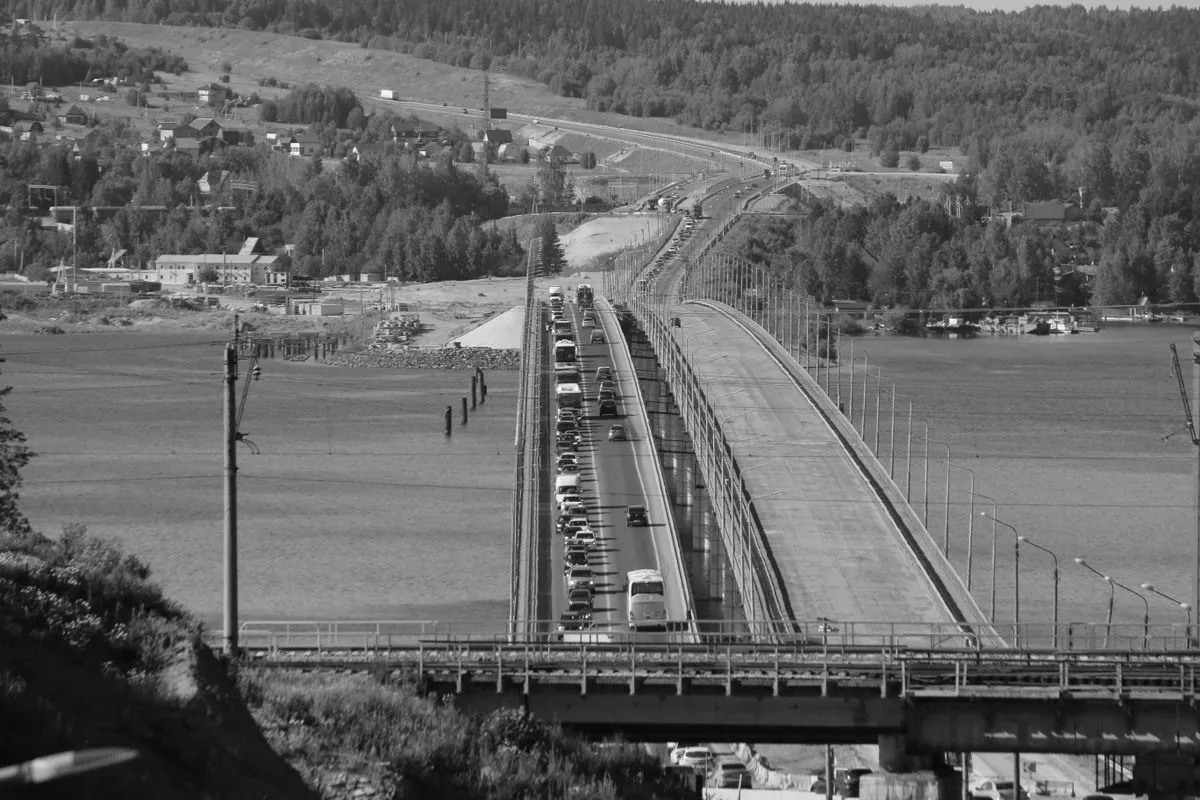
What the RTS Link Means for JB Travellers
The Johor Bahru–Singapore Rapid Transit System (RTS Link) is now more than 90% complete, with full passenger operations targeted for January 2027. Systems testing begins September 2026. After years of delays and negotiations, the cross-border rail link is finally close enough to plan around — and if you're staying in JB, it changes the calculus on how you commute, visit, or base yourself on the Malaysian side of the causeway.
This guide covers the confirmed facts: fares, stations, journey time, immigration process, and what the opening means practically for travellers staying near Taman Pelangi.
Key RTS Link Details at a Glance
The RTS Link is a 4-kilometre elevated rail line connecting Bukit Chagar station in Johor Bahru to Woodlands North station in Singapore. On the Singapore side, Woodlands North connects directly to the Thomson-East Coast Line (TEL), meaning onward travel to Orchard, Marina Bay, or Changi is a single-transfer ride with no additional border crossing.
- JB Station: Bukit Chagar — located near JB Sentral and the current Customs, Immigration and Quarantine (CIQ) complex
- Singapore Station: Woodlands North — direct interchange with Thomson-East Coast Line
- Journey time: approximately 5 minutes across the strait
- Expected fare: RM15.50–RM21.70 one way (approximately S$5–S$7)
- Systems testing: begins September 2026
- Full operations target: January 2027
- Construction progress: 90%+ complete as of May 2026
Single Immigration Clearance — No More Double Queue
This is the detail most travellers care about. Singapore's Parliament passed the Cross-Border Railways (Border Control Co-Location) Bill in May 2026. Under co-location arrangements, travellers clear both Malaysian and Singapore immigration at the departing station before boarding. That means one checkpoint, one queue, one process — then you're on the train and done.
If you're departing from Bukit Chagar (heading to Singapore), you clear Malaysian exit and Singapore entry at Bukit Chagar. If you're returning from Woodlands North, you handle both at Woodlands North before boarding. There is no secondary inspection mid-journey or on arrival. This is a meaningful improvement over the current bus and taxi crossings, where passengers queue at Malaysian customs, cross the causeway, then queue again at Singapore's Woodlands checkpoint.
RTS Link vs Current Crossing Options
| Method | Journey Time | Approximate Cost | Immigration Process | Notes |
|---|---|---|---|---|
| RTS Link (from Jan 2027) | ~5 min rail + clearance time | RM15.50–RM21.70 one way | Single checkpoint at departing station | Connects to TEL at Woodlands North |
| Causeway Link / SBS Express Bus | 45 min–2+ hours (traffic dependent) | RM5–RM10 one way | Two checkpoints (Malaysian + Singapore) | Cheapest option; slowest in peak hours |
| Grab / Taxi (private car) | 30 min–2+ hours (traffic dependent) | RM30–RM80+ depending on demand | Two checkpoints | Convenient but expensive; surge pricing at peak |
| Motorcycle (own vehicle) | Variable | Road tax + toll | Two checkpoints | For residents with bikes only |
The RTS Link won't be the cheapest option — buses will still run cheaper for budget travellers who can tolerate the queue. But for daily commuters and anyone crossing more than once or twice a week, the time savings will be substantial. A 5-minute ride replacing a 90-minute morning commute is a different lifestyle, not just a faster trip.
Getting from Taman Pelangi to Bukit Chagar Station
Taman Pelangi sits approximately 3 km from Bukit Chagar station — about a 10-minute Grab or taxi ride under normal traffic conditions. The neighbourhood is centrally located within JB, which means access to the RTS Link will be straightforward once it opens.
For current transport options between Taman Pelangi and the causeway, see our getting here page, which covers Grab routes, bus stops, and landmarks near the hostel.
What This Means for Monthly Stays in JB
The RTS Link is likely to accelerate what's already a visible trend: Singapore-based workers and professionals choosing to live in JB and commute. Monthly rental demand in neighbourhoods close to Bukit Chagar — including Taman Pelangi — has been rising in anticipation. The combination of a predictable 5-minute crossing, co-located immigration, and significantly lower cost of living in JB makes the calculus straightforward for anyone whose Singapore work schedule has any flexibility.
For travellers testing the JB lifestyle before committing to a long-term lease, a monthly stay at a capsule hostel is a low-risk way to experience the neighbourhood, the commute options, and the daily routines before signing anything. Monthly capsule pods at Pelangi are available from RM600.
FAQ: RTS Link for JB Travellers
When exactly does the RTS Link open?
The confirmed target is January 2027. Systems testing begins in September 2026. No specific opening date within January 2027 has been officially announced. Track updates from Prasarana (Malaysia) and the Land Transport Authority (Singapore) for confirmed dates closer to opening.
How much will a single trip cost?
Expected fares are in the range of RM15.50–RM21.70 one way, equivalent to approximately S$5–S$7. These are projected fares based on planning documents — final confirmed pricing has not been officially published as of mid-2026. Fares may vary by time of day or distance-based calculation once the ticketing system is finalised.
Do I still need to carry my passport?
Yes. The RTS Link is a cross-border rail service; you are crossing an international boundary. You will need a valid travel document — passport for most nationalities — for immigration clearance at the departing station. The co-location arrangement streamlines the process, but does not remove the immigration requirement.
Will the RTS Link reduce congestion on the Causeway?
The RTS Link is designed to carry up to 10,000 passengers per hour per direction at capacity — which would represent a meaningful reduction in vehicle and bus crossings over time. However, car and truck crossings are unaffected; the Causeway will continue to carry road traffic. Reduced passenger bus volumes may ease Causeway congestion somewhat during peak hours, but private vehicle crossings will remain unchanged.
Plan Your JB Stay Around the RTS Link
If you're arriving in JB before January 2027, the current crossing options remain: express buses via Larkin or Queen Street terminal, or Grab across the Causeway. Once the RTS Link opens, Bukit Chagar becomes a practical base for anyone commuting into Singapore regularly — and Taman Pelangi, 10 minutes away by Grab, will be well-positioned for that new commuter pattern.
Pelangi Capsule Hostel offers capsule pods from RM30/night on weekdays and RM35/night on weekends, with monthly rates from RM600. Whether you're visiting JB to scope out the neighbourhood ahead of the RTS Link opening, or you're a commuter looking for a flexible short-term base, book a stay and see the area for yourself.
Sources
- Railway News — RTS Link Project: Johor Bahru–Singapore LRT System (construction progress, January 2027 target, September 2026 systems testing)
- Media Selangor — Singapore Parliament passes Cross-Border Railways Bill, May 2026 (co-location immigration arrangement)
Related Articles
Why Taman Pelangi in Johor Bahru Is Worth Visiting Now — Before the RTS Link Changes Everything
28 Aug 2026 · 4 min read
JB–Singapore Immigration: How to Beat the Queue in 2026 (MyNIISe, E-Gates & Timing)
17 Aug 2026 · 5 min read
RTS Link JB–Singapore: Fares, Stations, and What Changes When It Opens
15 Aug 2026 · 5 min read
Comments
No comments yet. Be the first!