JB–Singapore Immigration: How to Beat the Queue in 2026 (MyNIISe, E-Gates & Timing)
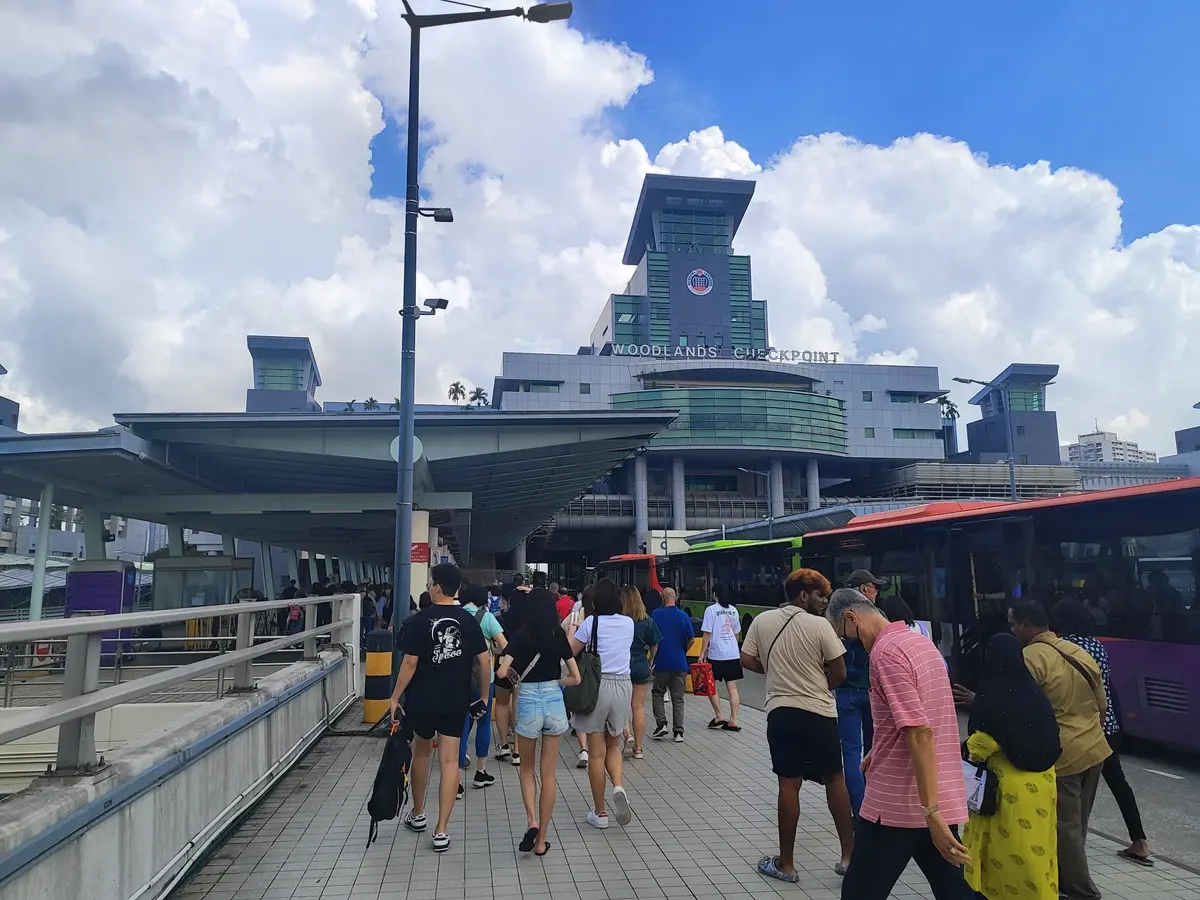
The JB–Singapore border crossing has changed significantly in 2025–2026. Singaporean travellers can now clear Malaysian immigration with a QR code using a mobile app — no passport stamping at the counter, no manual queue for eligible holders. E-gates are live at Sultan Iskandar CIQ. Real-time queue tracking is available on your phone. If you are still crossing the old way, you are almost certainly waiting longer than you need to. This guide covers every tool and technique available right now.
Tool 1: MyNIISe App — QR Code Immigration Clearance
The MyNIISe app (available on iOS and Android, free) is Malaysia's official immigration pre-clearance system. As of September 2025, Singaporean travellers can generate a QR code that clears Malaysian immigration at the autogate — without queuing at a manual counter. A group travelling together can even share a single QR code at the gate.
How to set it up:
- Download MyNIISe from the App Store or Google Play.
- Register with your passport details and create an account.
- Generate a Travel QR Code before your crossing — it stores offline, so you do not need data at the border.
- At JB CIQ: scan your QR code at the designated autogate lane. The system reads your biometric data and clears you without a manual stamp.
First-time requirement: You must have cleared Malaysian immigration manually at least once before — the system needs your biometric data registered in Malaysia's immigration database. After that first crossing, you can use the QR code for all subsequent visits.
The MyNIISe autogate is currently available at Sultan Iskandar CIQ (JB Sentral) and progressively rolling out to other entry points. It does not yet cover the Tuas Second Link — use the manual counter there.
Tool 2: Malaysia E-Gate — Fingerprint Clearance
Separate from MyNIISe, Malaysia operates biometric e-gates at JB CIQ where eligible travellers scan their passport and verify fingerprints to clear immigration in under a minute. Singaporeans are eligible to use the e-gate on the Malaysian arrival side.
The e-gate is most useful when you have registered biometrics but have not set up MyNIISe. It is faster than the manual counter but slower than the QR code autogate on an uncrowded day. The two systems serve the same purpose — use whichever lane is shorter on your crossing day.
Tool 3: Checkpoint.sg — Live Queue Monitoring
The Checkpoint.sg app (iOS and Android) and the companion Beat the Jam app provide live camera views and estimated waiting times at both Woodlands Checkpoint (Singapore side) and Sultan Iskandar CIQ (Malaysian side). Checking the app before you leave saves you from arriving mid-surge.
The Singapore ICA (Immigration & Checkpoints Authority) also publishes real-time traffic advisories during expected peak periods — worth following on their social channels before holiday weekends.

Best and Worst Times to Cross
Technology helps, but timing is still the single biggest factor in crossing speed. The pattern at Woodlands CIQ has been consistent for years:
| Window | Direction | Queue Level |
|---|---|---|
| Tuesday–Thursday 9 AM–2 PM | Either | Light — best window |
| Monday–Friday 7–9 AM | SG-bound (workers returning) | Heavy |
| Friday 5–10 PM | JB-bound | Very heavy |
| Sunday 3–9 PM | SG-bound | Very heavy |
| Any day after 10 PM | Either | Light — often under 15 min total |
| Public holiday eve | JB-bound | Extreme — 2–3 hours possible |
| Public holiday evening | SG-bound return | Extreme — 2–3 hours possible |
Late-night crossings (after 10 PM) are consistently the fastest for non-peak days. If you have flexibility, arriving in JB after midnight on a Thursday or leaving JB before 7 AM on a Sunday cuts total crossing time dramatically.
Motorcycles and Buses Clear Faster Than Cars
At the Causeway, motorcycles and buses use dedicated lanes that move faster than the private car queue — particularly on heavy weekends. If you are crossing by foot on the CW1 bus or bus 170, you will typically clear faster than someone in a car, even on a busy Friday evening. This is a structural advantage of bus travel that is often overlooked when comparing options.
Tuas Second Link: The Underused Alternative
The Tuas Second Link (KSAB) in the west is consistently less congested than the Causeway on most weekdays and many weekends. It is primarily a vehicle crossing — there is no direct public bus equivalent to CW1 for foot passengers at Tuas. If you are driving or being driven, check Checkpoint.sg and compare both queues before committing to a route. On a bad Friday, the extra 30-minute drive to Tuas can save 60–90 minutes of waiting.
What to Carry for Smooth Crossing
- Valid passport (at least 6 months validity from travel date)
- MyNIISe app installed and QR code generated before you leave Singapore
- Proof of funds: Malaysia technically requires RM500 or equivalent accessible funds. Have your bank app ready to show.
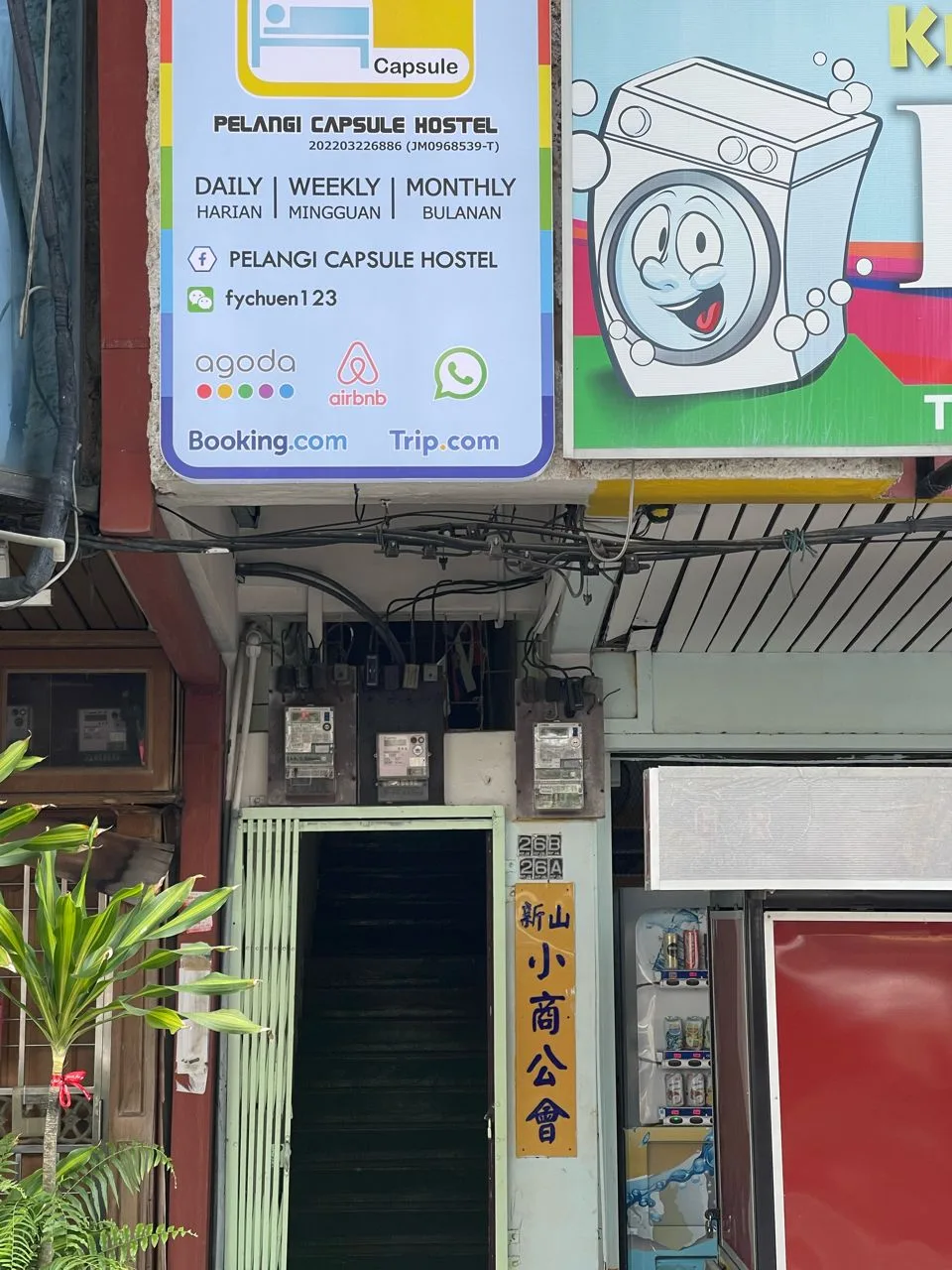
- Accommodation booking: If asked by Malaysian immigration, a booking confirmation (Pelangi Capsule Hostel for example) is clear proof of plans. Officers rarely ask on a normal weekday; useful to have if your crossing timing looks unusual.
- Return transport: Bus 170 or CW1 goes from JB Sentral back to Singapore — no advance booking needed. Or use cross-border Grab for door-to-door.
After You Cross
Once through Malaysian immigration at JB CIQ, connect to the free WiFi inside JB Sentral and open Grab. A ride to Taman Pelangi (central JB, where Pelangi Capsule Hostel is located) costs RM8–12 and takes 8–10 minutes. Do not accept taxi offers from drivers approaching you at the exit — use Grab or the official taxi counter inside the terminal.
Staying overnight? Book a capsule pod at Pelangi — RM35/night, 24/7 self check-in, no reception hours to work around. WhatsApp us if you need to arrange a late arrival.
Related Articles

RTS Link Opens January 2027: What JB Travellers Need to Know Now
10 Sep 2026 · 6 min read

Singapore to JB Day Trip Guide: How to Cross the Causeway (2026)
25 Feb 2026 · 5 min read
Night-Shift Workers Commuting to Singapore from JB: CIQ Crossing Times & Where to Sleep
21 Sep 2026 · 4 min read
Comments
No comments yet. Be the first!