The JB Grocery Run: What to Buy, Where to Shop, and How Much You Actually Save
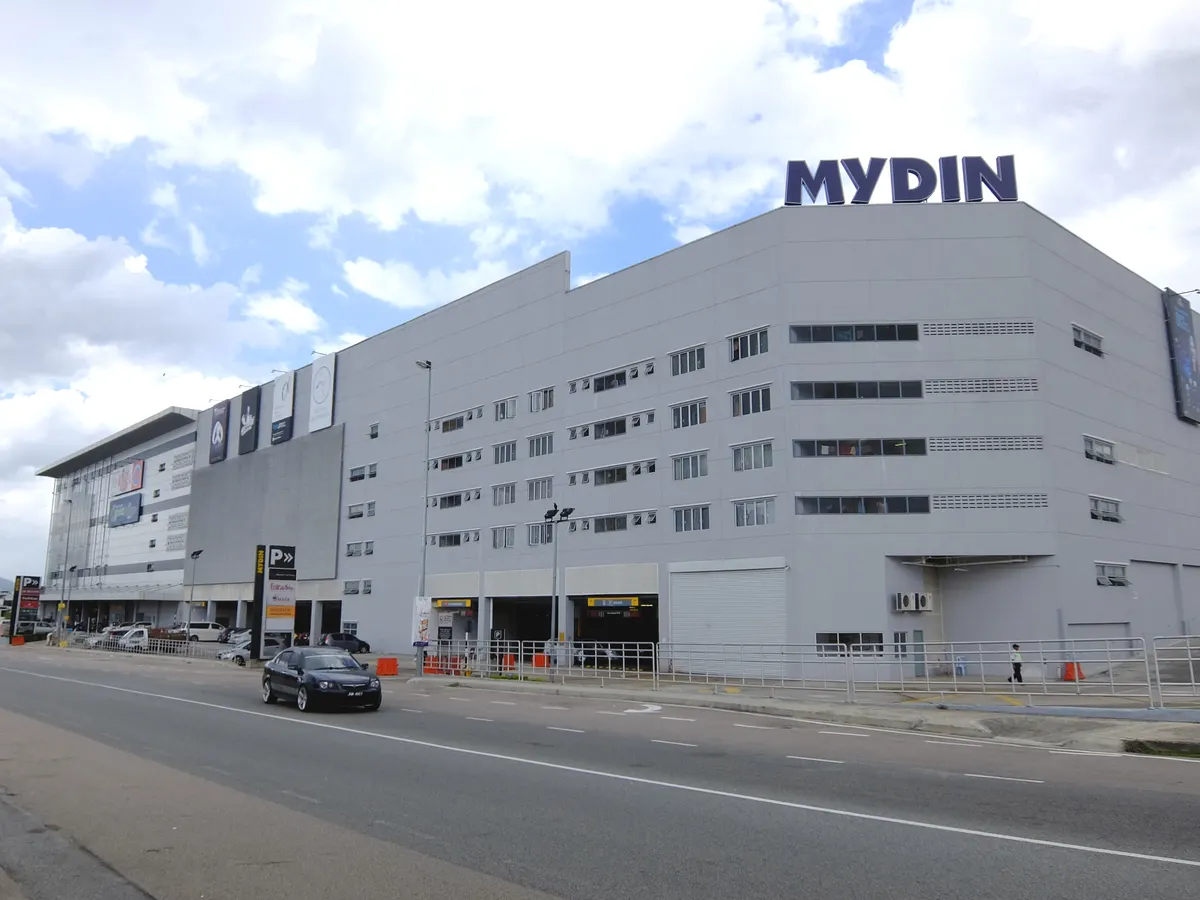
Johor Bahru's grocery run has become one of the most searched travel topics among Singapore households. The maths is simple: a four-person family running a weekly shop in JB typically saves SGD200–400 per month compared to shopping at Cold Storage or FairPrice in Singapore. That is enough to cover the transport costs, the border crossing time, and still come out well ahead. This guide covers where to go, what to buy, and what you need to know before you cross.
Why JB Groceries Are Cheaper
The price gap comes from a combination of factors: lower Malaysian import duties on food, a weaker ringgit (roughly SGD1 = RM3.3 in 2026), lower supermarket operating costs, and the fact that many products sold in JB are manufactured locally in Malaysia with no import premium. Fresh produce — vegetables, tropical fruits, eggs — reflects local farming supply rather than import logistics.
The strongest savings are on: fresh produce (30–50% cheaper), pantry staples (rice, cooking oil, sugar), processed snacks, toiletries, and baby products. The weakest savings — items where the gap narrows — are electronics, alcohol (high Malaysian duty), and imported branded goods priced in foreign currency.
Best Supermarkets for Singaporeans
AEON — Best Overall Selection
AEON operates two major JB outlets: AEON Tebrau City and AEON Mall Bukit Indah. Both are Japanese-style department store supermarkets with wide aisles, strong fresh produce sections, and decent Japanese and Korean import ranges. AEON is the best choice if you want a full supermarket experience similar to Singapore's FairPrice Finest but at significantly lower prices. Parking is free. Touch 'n Go e-wallet and major credit cards accepted.
Mydin — Bulk Buy Value
Mydin is Malaysia's largest Muslim-operated hypermarket chain. The Mydin Hypermarket JB outlet near Tesco carries bulk quantities of dry goods, pantry staples, cleaning products, and household items at wholesale-adjacent prices. It is the best destination for rice (10kg or 25kg sacks), cooking oil, and household consumables. Bare-bones experience, but the prices are genuinely the lowest for staples.
Giant (in KOMTAR JBCC)
Giant Hypermarket inside KOMTAR JBCC (near JB Sentral) is convenient for travellers arriving by bus — it is a short Grab from CIQ. Good for snacks, fresh produce, and Malaysian-made products. Smaller floor space than AEON or Mydin, but central location is useful if you're combining grocery shopping with a day trip.
What to Buy First
If this is your first JB grocery run, focus on the categories with the widest price gap:
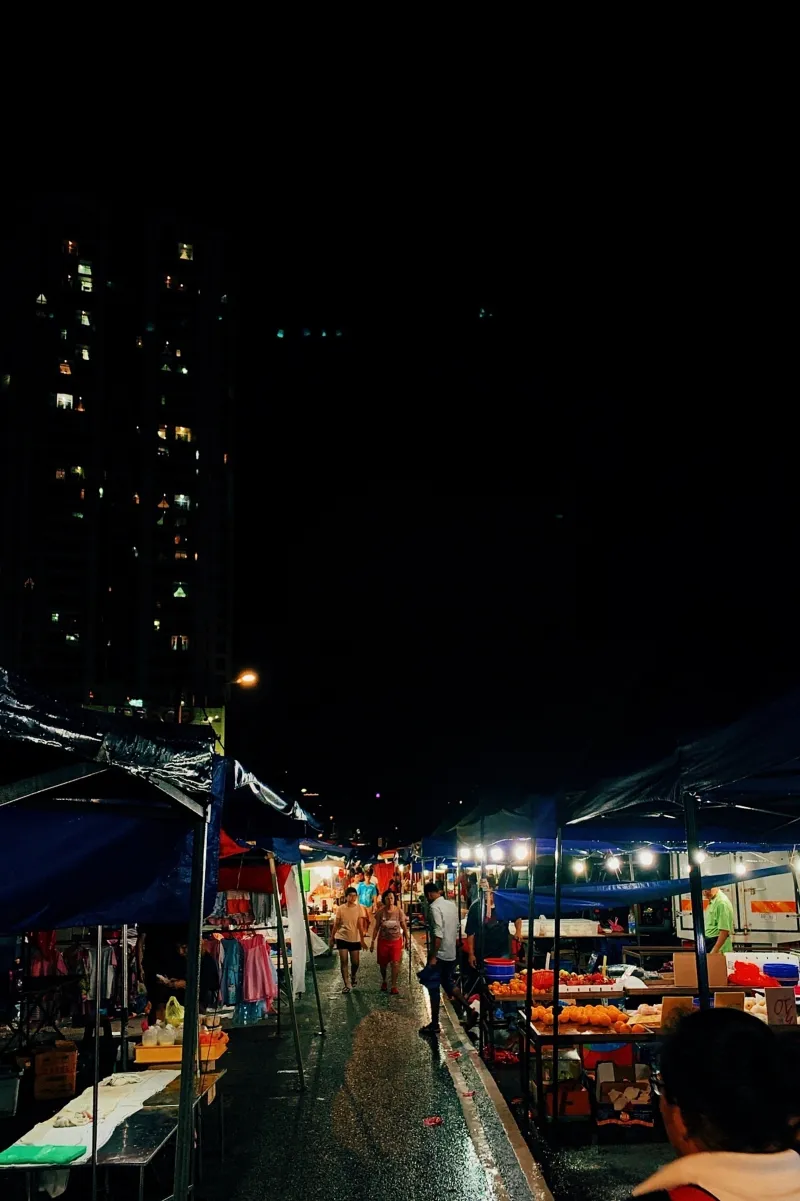
- Fresh vegetables and herbs: Kai lan, kangkong, lemongrass, pandan, and most leafy greens are 30–50% cheaper than Singapore's wet markets. Buy what you will use within 3–4 days.
- Eggs: A tray of 30 eggs in JB costs approximately RM15–18 (~SGD4.50–5.50) versus SGD9–11 at FairPrice. One of the biggest per-unit savings available.
- Malaysian snacks: Beryl's chocolates, Hup Seng cream crackers, Famous Amos Malaysia, Gardenia bread, Aik Cheong coffee mix, Old Town White Coffee sachets — all made domestically and priced accordingly. Popular as gifts too.
- Cooking oil and rice: 5kg bag of Thai jasmine rice is roughly RM20–22 in JB. The same bag would cost SGD12–18 at FairPrice. Cooking oil (5L palm oil) costs approximately RM30 in JB versus SGD15–18 in Singapore — similar after FX, but Malaysian brands have more variety.
- Toiletries and personal care: Shampoo, toothpaste, body wash — major brands like Dove, Pantene, and Colgate are 20–40% cheaper due to lower import duties.
- Baby products: Diapers, baby formula, and baby food are frequently cited as the strongest savings category. A box of Huggies diapers saves SGD8–12 compared to Singapore pricing.
Singapore Customs: What You Can Bring Back
Singapore customs allows travellers returning from Malaysia to bring back a limited amount of duty-free goods. Key limits as of 2026:
- Alcohol: 1 litre of spirits, 1 litre of wine, 1 litre of beer — per person. No duty-free alcohol if you have been away less than 48 hours.
- Tobacco: No duty-free concession for cigarettes brought into Singapore from Malaysia. All cigarettes must be declared and duty paid.
- Goods for personal use: Up to SGD500 in value after 48 hours away, SGD100 after less than 48 hours. Groceries for personal consumption typically do not attract GST below this threshold.
- Pork products: Singapore restricts import of certain meat products from Malaysia. Cooked pork products in sealed, commercially packaged form are generally permitted; fresh or raw pork from Malaysia is not. When in doubt, check the Singapore Food Agency website.
Enforce good habits: declare at the red channel if uncertain rather than risking a fine. For a standard grocery run of vegetables, snacks, and household products, you will comfortably stay within personal use quantities.
Making the Trip Worth It
The grocery run pays off when you are buying items with a significant price gap and buying enough of them to offset the transport time. Practical tips:
- Bring reusable bags. Malaysia charges for plastic bags and many supermarkets have limited carrier availability.
- Cross midweek morning. Tuesday to Thursday, before noon, gives you the lightest Causeway queues. The grocery run plus return crossing takes 3–4 hours on a good weekday.
- Use Touch 'n Go or DuitNow QR for payment. Most JB supermarkets accept these. Having ringgit cash as backup is sensible for smaller purchases.
- Pair with lunch. Eating at a JB hawker stall while there turns the trip into a genuine outing rather than a pure logistics exercise. Factor in RM20–30 for two people at a hawker centre — the meal alone is cheaper than equivalent food in Singapore.
Stay Overnight and Save More
Some Singapore households make the grocery run monthly rather than weekly, turning it into a proper overnight trip: cross Friday evening, shop Saturday morning at AEON when it opens, explore JB in the afternoon, eat a proper Malaysian dinner, and return Sunday.
Pelangi Capsule Hostel in Taman Pelangi offers capsule pods at RM35/night (~SGD10.50). A two-person overnight grocery weekend — accommodation plus two days of eating out — adds roughly SGD25–40 per person in costs, easily covered by what you save on a single month's shopping. Book direct here.
Related Articles
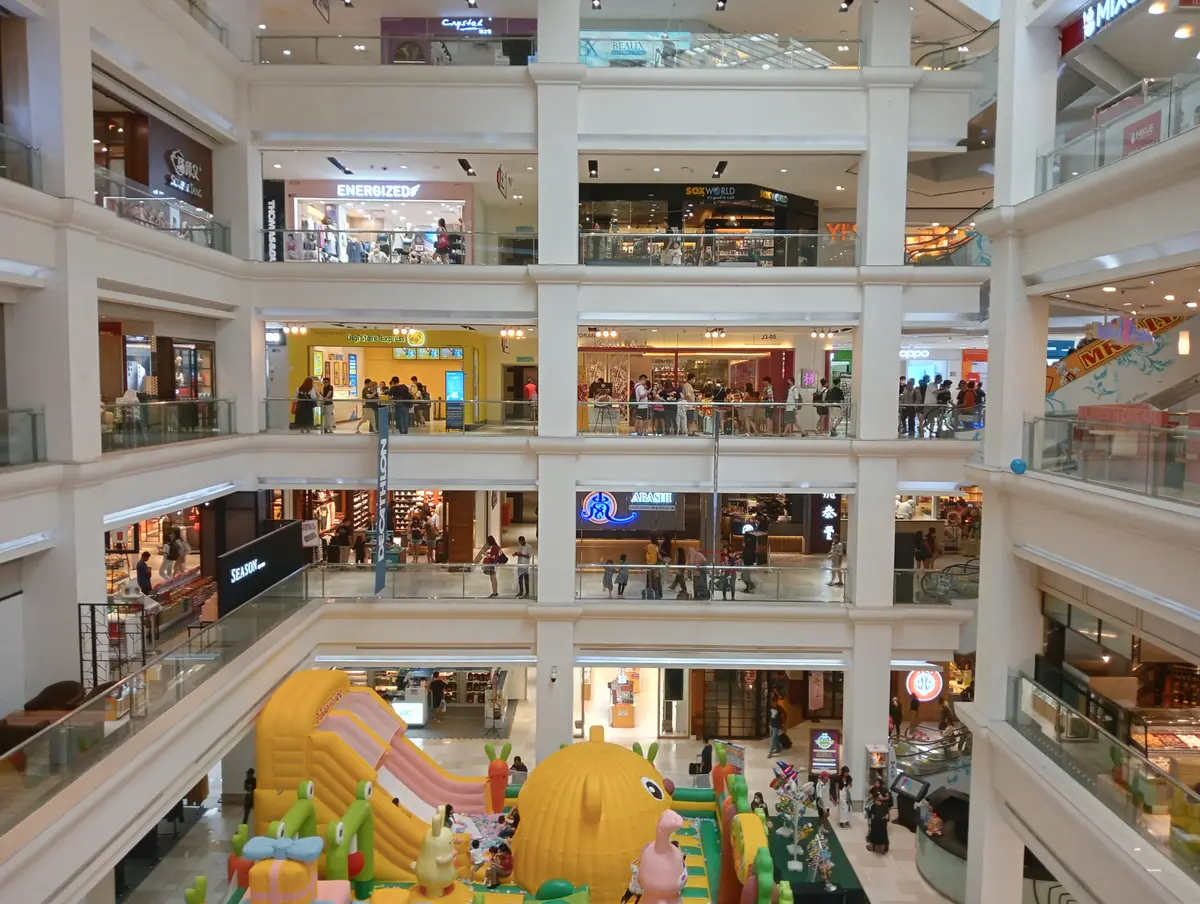
New Malls in JB 2026: SKS City Mall, Horizon Mall and What Singaporeans Need to Know
18 Aug 2026 · 4 min read

Singapore to JB Day Trip Guide: How to Cross the Causeway (2026)
25 Feb 2026 · 5 min read
Night-Shift Workers Commuting to Singapore from JB: CIQ Crossing Times & Where to Sleep
21 Sep 2026 · 4 min read
Comments
No comments yet. Be the first!