Hidden Gems in Johor Bahru: Beyond the Usual Tourist Spots
The JB That Tourists Miss
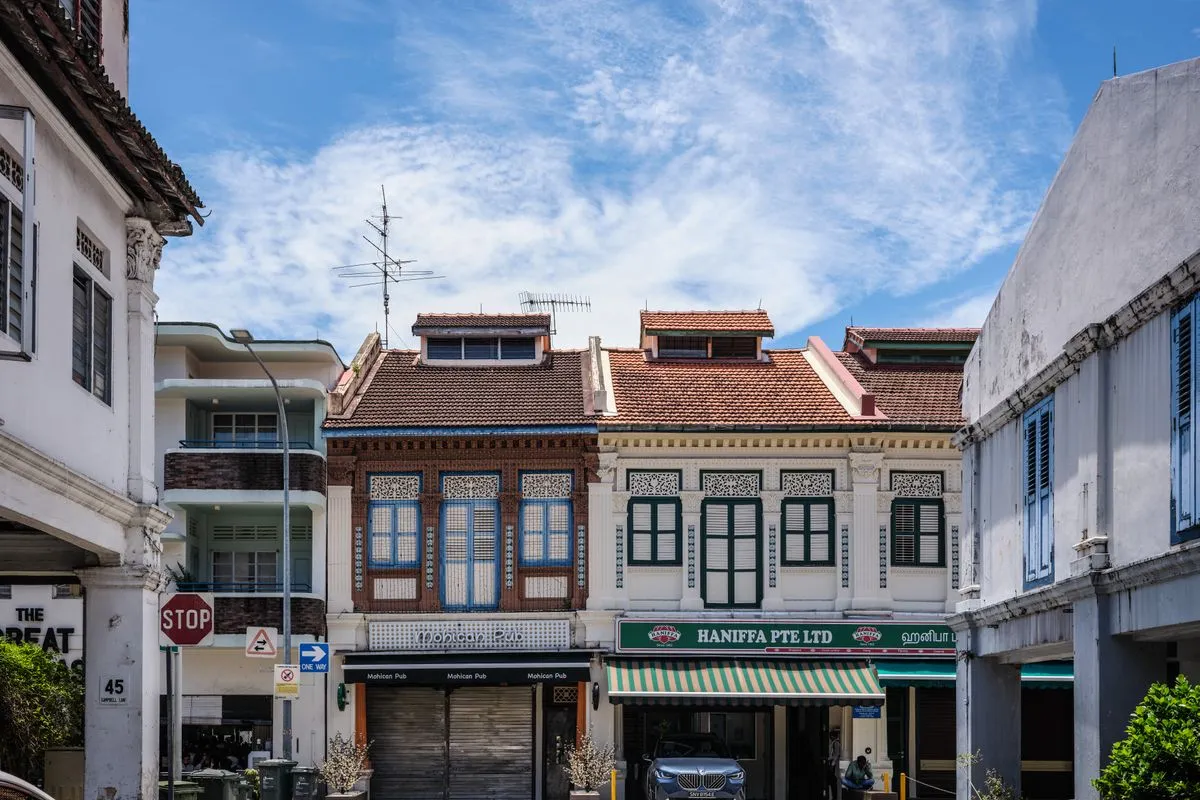
Most visitors to Johor Bahru follow the same script: cross from Singapore, shop at City Square, eat at a hawker centre, go home. They miss the city entirely. JB is a layered place — Malay, Chinese, Indian, and Peranakan cultures have been trading, cooking, and building here for over a century, and the results are tucked into back streets, heritage districts, and neighbourhoods that rarely make the guidebooks.
These are the places locals go. If you're staying at Pelangi Capsule Hostel and want to experience the real JB, this is your list.
1. Jalan Dhoby: The Forgotten Heritage Lane
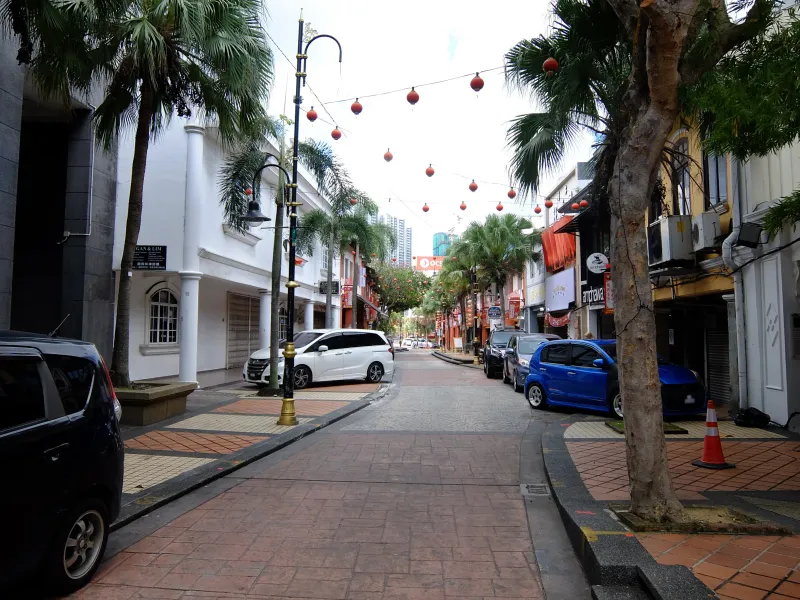
While everyone crowds Jalan Tan Hiok Nee, the parallel Jalan Dhoby (formerly Dhoby Street, named after the Indian laundry workers who once operated here) remains overlooked. Pre-war shophouses line both sides, some beautifully restored as galleries and co-working spaces, others still in their original crumbling state. The street tells the story of JB's Indian and Chinese merchant communities, and you can walk it in ten minutes without encountering another tourist. Look for the hand-painted trade signs above old shopfronts — they're disappearing fast.
2. Kampung Melayu Heritage Walk
Behind the modern city centre, Kampung Melayu (Malay Village) preserves traditional wooden houses on stilts, community suraus (small mosques), and a pace of life that hasn't changed in decades. The streets are narrow, shaded by rambutan and mango trees, and the sound of roosters competes with the call to prayer. This isn't a tourist attraction — it's a living neighbourhood. Walk respectfully, smile at residents, and you'll be welcomed warmly. Some of the best home-cooked kuih (Malay cakes) are sold from front porches here.
3. Gunung Pulai Waterfalls
Thirty minutes north of the city centre, Gunung Pulai Recreation Forest is where JB residents go to escape the heat. A paved trail leads through lowland dipterocarp forest to a series of waterfalls with natural swimming pools. Entry costs RM1. The forest is home to monkeys, hornbills, and butterflies, and the temperature drops noticeably under the canopy. Pack a towel, bring water, and go on a weekday for solitude. Grab ride from Taman Pelangi costs RM25–35 each way.
4. Tanjung Piai: Mainland Asia's Southernmost Point
This one requires a half-day trip, but it's worth it for bragging rights alone. Tanjung Piai National Park, about 90 minutes from JB, is the southernmost tip of continental Asia — further south than Singapore. A boardwalk trail winds through mangrove forest to a stone marker at the point. The park is home to mudskippers, fiddler crabs, and migratory birds. Entry is RM5 for foreigners. It's beautifully quiet and wildly undervisited.
5. Jalan Ngee Heng: Street Art Alley
Everyone knows the murals on Jalan Tan Hiok Nee, but the more interesting street art is on Jalan Ngee Heng and the surrounding alleyways. Local artists have painted large-scale murals depicting JB's history — from its founding as a fishing village to its role as a centre of the Chinese secret societies in the 19th century. The art is grittier and more narrative than the tourist-friendly murals elsewhere. Ask at the hostel for the latest additions — new pieces appear regularly.
6. Kedai Kopi (Coffee Shops) of Stulang
The Stulang neighbourhood is home to some of JB's oldest kedai kopi — traditional Chinese-Malaysian coffee shops where kopi (thick, sweet coffee made with margarine-roasted beans) has been brewed the same way for fifty years. The atmosphere is everything: marble-top tables, ceiling fans, old uncles reading Chinese newspapers, and the clink of ceramic cups. Try kopi-o (black) or kopi-C (with evaporated milk). Pair it with kaya toast — coconut jam on charcoal-grilled bread. A full breakfast costs RM5.
7. Lido Beach (Pantai Lido)
JB has a beach — and almost nobody goes to it. Pantai Lido, a small strip of sand along the Straits of Johor near Danga Bay, is where locals come to fish, fly kites, and watch the sunset. It's not a postcard beach — no white sand or crystal water — but the views of Singapore's skyline at dusk are remarkable, and on weekday evenings you might have the whole stretch to yourself. There's a small food court nearby for RM5 drinks and satay.
8. Pelangi Night Walk
Finally, one of JB's best hidden experiences requires no transport at all. Taman Pelangi — the neighbourhood where our hostel sits — transforms after dark. The shophouse restaurants switch on their neon signs, the mamaks fill up with night owls, and the side streets take on a warm, lived-in glow. Walk the residential lanes behind Jalan Serampang and you'll see families eating dinner on their porches, children cycling, and the rhythms of kampung life transplanted into the suburban grid. It's quintessentially Malaysian and completely free.
For more ideas on what to see and do in JB, check our comprehensive JB Backpacker's Guide. Ready to explore the real Johor Bahru? Book a capsule at Pelangi and start discovering what the guidebooks won't tell you.
Related Articles
Overstayed in Malaysia? What the Law Says, What SPLP and the Special Pass Are, and How to Go Home
16 Oct 2026 · 6 min read
Lost or Stolen Passport in Malaysia: What Tourists Must Do
16 Oct 2026 · 8 min read
Gardens by the Bay Day Trip from JB: Full Guide (2026)
6 Sep 2026 · 4 min read
Comments
No comments yet. Be the first!