Tan Hiok Nee Heritage Street: JB's Best Old Quarter for Travellers
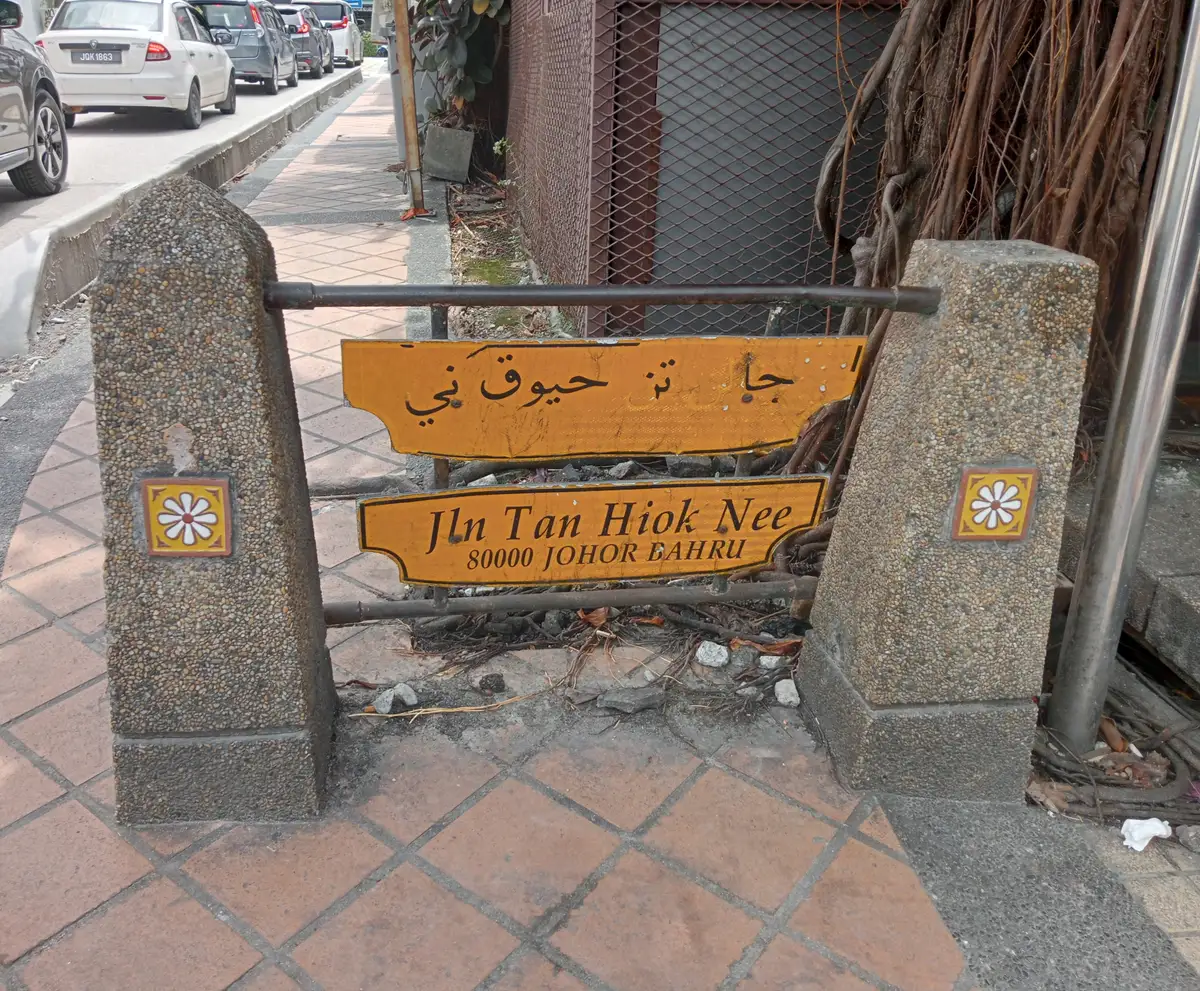
Tan Hiok Nee Street (Jalan Tan Hiok Nee) is the heart of Johor Bahru's surviving colonial heritage district. The street is lined with 19th-century shophouses — the two-storey terrace buildings with covered "five-foot ways" that defined commercial architecture across British Malaya. Unlike many Malaysian cities where these buildings were demolished in development booms, Tan Hiok Nee's heritage row has been progressively restored and now hosts a mix of independent cafes, vintage shops, art galleries, and cultural spaces that make it one of the most walkable and photogenic streets in JB.
Where Is It?
Tan Hiok Nee Street is located in the Johor Bahru city centre, running parallel to Jalan Wong Ah Fook and approximately 500 m from JB City Square. From Taman Pelangi, Grab costs RM8–12 and takes around 10–12 minutes. The street is walkable from JB Sentral in about 20 minutes if you prefer to arrive on foot through the old city.
What to See and Do
Colonial Shophouse Architecture
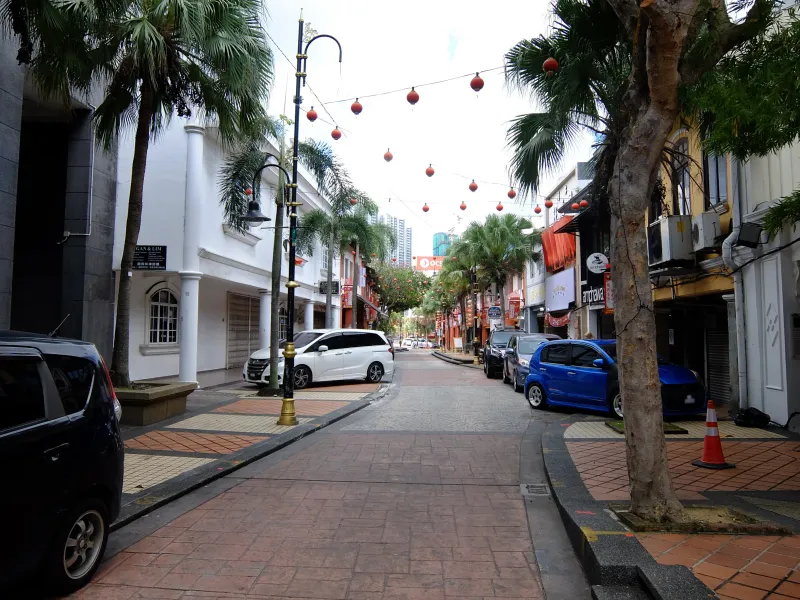
The shophouses on Tan Hiok Nee date primarily from the late 19th to early 20th century, built during the reign of Sultan Abu Bakar and the early British administration period. The characteristic features — narrow floor plans, ornate plasterwork facades, and the covered pedestrian walkway at ground level — are well preserved on this block. Even if you are not interested in history, the visual character is a clear contrast to JB's modern malls and a good backdrop for photography.
Independent Cafes
Several independent cafes have opened on and around Tan Hiok Nee, making it one of JB's best streets for coffee that is not a chain. Expect specialty brews, locally roasted options, and cafe interiors that lean into the heritage aesthetic with exposed brick, ceiling fans, and old timber furniture. Prices are typically RM8–18 per drink — slightly above hawker prices but below KL or Singapore cafe norms.
Street Art
Murals and painted installations appear on several walls in the Tan Hiok Nee precinct, commissioned as part of JB's city beautification and heritage tourism efforts. The art ranges from figurative portraits of historical figures to abstract pieces. It has made the area popular with Instagram-era visitors, but it does not feel commercialised — the street still functions as a real neighbourhood.
Arulmigu Sri Rajakaliamman Glass Temple
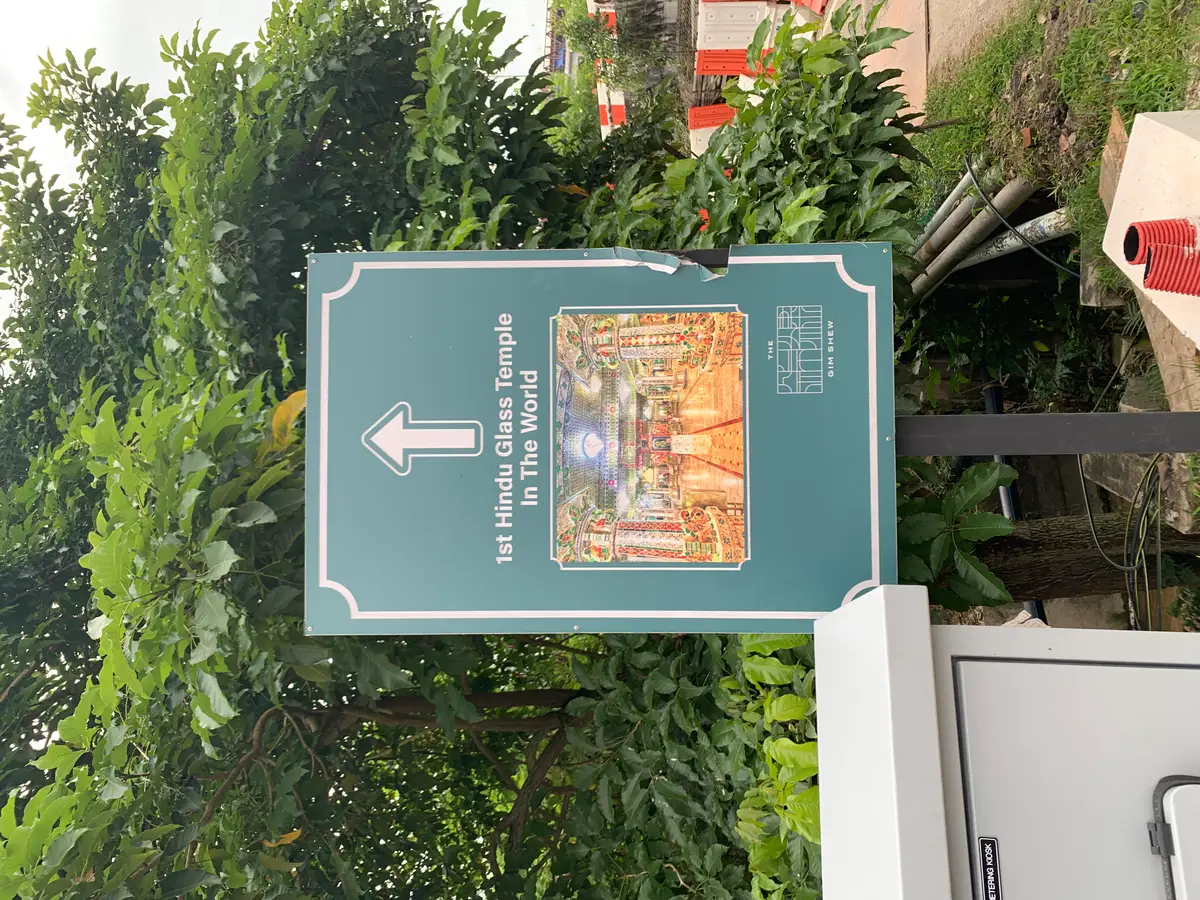
The famous Glass Temple is located on Jalan Tan Hiok Nee itself, making it a natural anchor for any walk through the heritage district. The temple's mosaicked interior can be visited in about 30 minutes for a small entrance fee.
Johor Bahru Old Chinese Temple
A short walk from Tan Hiok Nee, the Johor Bahru Old Chinese Temple (built in 1870) is dedicated to five deities representing JB's five founding Chinese dialect communities — Teochew, Hokkien, Cantonese, Hakka, and Hainanese. The temple plays a central role in the annual Chingay Parade Johor Bahru, one of the largest Chinese procession events in Malaysia.
Best Time to Visit
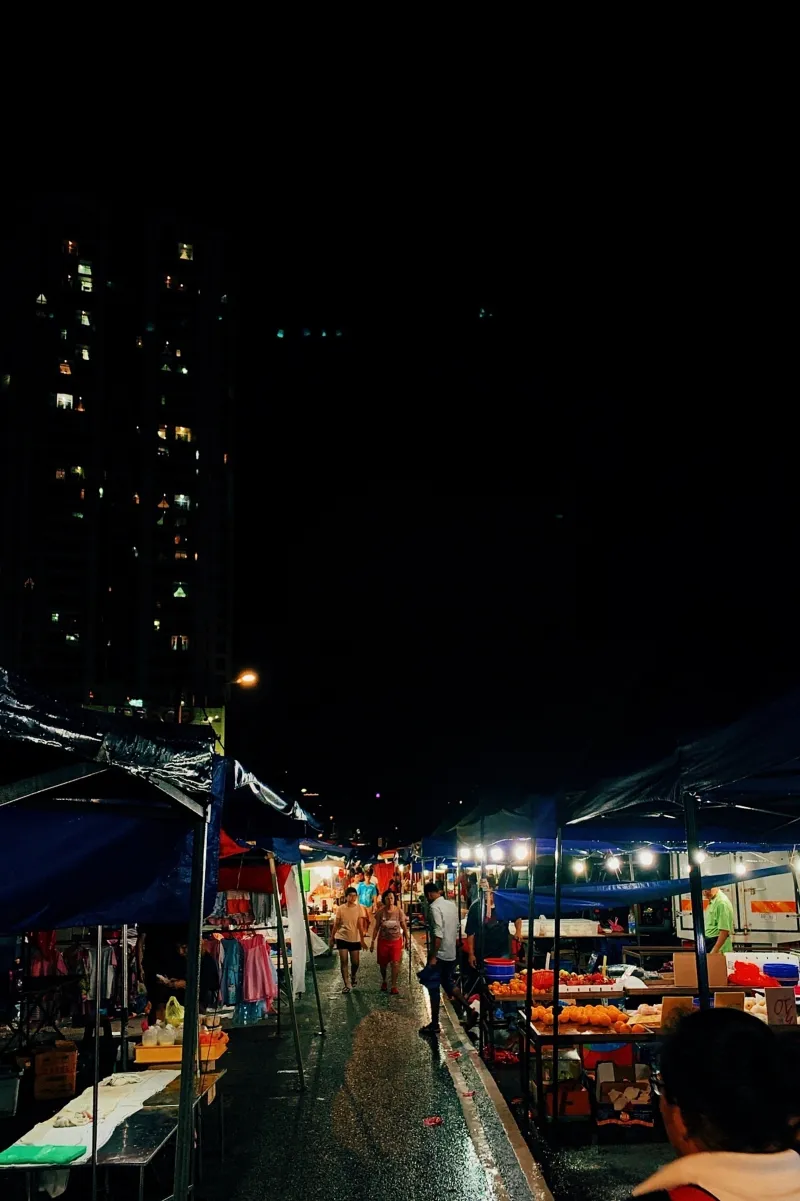
Morning (9 AM–noon) is ideal: the light is good for photography, the cafes are open for breakfast and coffee, and the street is quiet enough to walk without crowds. By Saturday afternoon, the area can be busy. Avoid rainy season afternoon downpours by building your visit around a morning arrival and lunch at Jalan Wong Ah Fook before heading to other parts of the city.
How to Combine with a Half-Day Heritage Circuit
Tan Hiok Nee works well as part of a self-guided heritage walk covering:
- Tan Hiok Nee Street — shophouses, cafes, street art (1 hour)
- Glass Temple — 5-minute walk from Tan Hiok Nee (30–45 minutes)
- Old Chinese Temple — 5-minute walk from Glass Temple (20–30 minutes)
- Jalan Wong Ah Fook hawker stalls — lunch, 5-minute walk (1 hour)
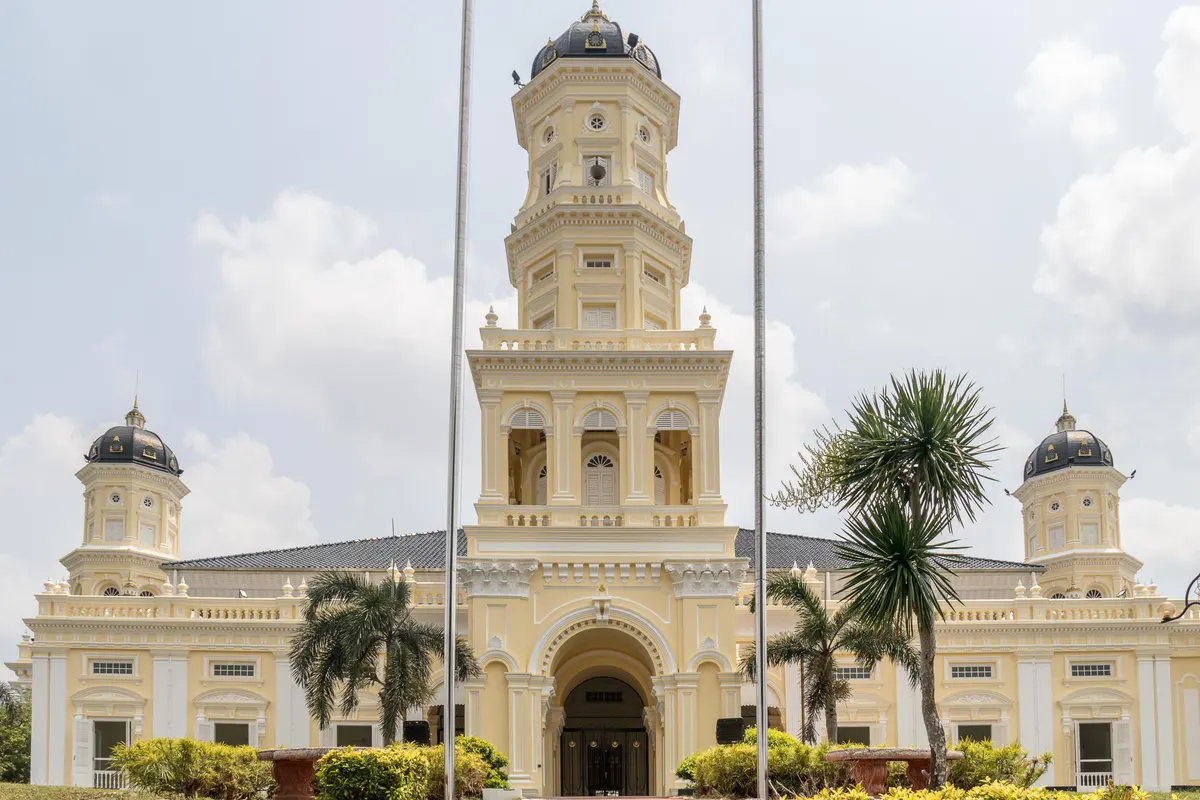
- Sultan Abu Bakar State Mosque — 10-minute Grab (45–60 minutes)
This full circuit covers the major heritage sites within 5 km of central JB in a single morning-plus-lunch day.
Where to Stay
Pelangi Capsule Hostel in Taman Pelangi is a 10-minute Grab ride from Tan Hiok Nee. Capsule pods from RM35/night — private sleeping space, personal locker, free WiFi, and 24/7 self check-in. Monthly rates from RM600 with no deposit.
Book directly at pelangicapsulehostel.com — no OTA fees, best rate guaranteed.
Frequently Asked Questions
Is Tan Hiok Nee Street worth visiting even if I am not into history?
Yes. The combination of good coffee, walkable distance between cafes and street art, and visual character makes it worth 1–2 hours even for visitors who are not specifically interested in heritage architecture. The Glass Temple alone is a compelling reason to visit.
Are there food options beyond cafes on Tan Hiok Nee?
The street itself is mostly cafes and small shops. For full hawker meals, walk or Grab to Jalan Wong Ah Fook (parallel street, 5 minutes) which has more traditional coffee shops and stalls at lower price points.
Can I park near Tan Hiok Nee?
Street parking is available but limited. The closest large car park is near JB City Square. Grab drop-off directly on the street is straightforward.
Related Articles
JB Durian Season July 2026: A Budget Traveller's Guide to Eating Well Without Getting Ripped Off
17 Jul 2026 · 5 min read
Arulmigu Sri Rajakaliamman Glass Temple: JB's Unique Hindu Landmark
10 Aug 2026 · 4 min read
Sultan Abu Bakar State Mosque: Johor Bahru's Landmark Visitor Guide
9 Aug 2026 · 4 min read
Comments
No comments yet. Be the first!