Malaysia Is the World's Top Digital Nomad Destination — Here's Why Johor Bahru Should Be Your Base

Malaysia: The World's Best Country for Digital Nomads
It is no longer a secret. Malaysia has been named the best country in the world for digital nomads by the Rumavi Global Relocation Index 2026, which scores 192 countries on cost of living, tax rules, safety, visa access, and digital infrastructure. Malaysia scored 80 out of 100 for digital infrastructure alone — ahead of Portugal, Thailand, and every other Southeast Asian competitor. Time Out reported the finding in March 2026.
The Rumavi index evaluates six different relocation profiles — retirees, families, entrepreneurs, and remote workers among them — re-weighting the same 24 indicators for each group. Under the digital-nomad profile, Malaysia ranks first globally: ahead of Portugal (#2), Thailand (#3), Georgia (#4), and Taiwan (#5). Malaysia's overall score across all profiles was 72.0 out of 100, placing it among the top three countries in the world for any type of relocation, as The Independent SG reported.
The reasons are practical: fast fibre internet, English widely spoken, halal and non-halal food everywhere, low crime, modern hospitals, and a cost of living that makes Southeast Asian neighbours look expensive.
The DE Rantau Nomad Pass: Malaysia's Legal 12-Month Visa for Remote Workers
Malaysia is one of the few countries in Asia with a dedicated legal pathway for digital nomads. The DE Rantau Nomad Pass, launched by the Malaysia Digital Economy Corporation (MDEC), allows remote workers earning at least USD 24,000 per year to live and work legally in Malaysia for 12 months, renewable for up to three years. Dependants can join on the same pass.
In June 2024, eligibility was expanded to include founders, CEOs, accountants, legal professionals, and writers — not just software engineers. This makes JB viable for a much broader range of remote professionals. Apply through the official DE Rantau portal. Processing is straightforward; many applicants report approval within two to four weeks.
Why Johor Bahru — Not KL, Not Penang
Kuala Lumpur gets the headlines. But for digital nomads who need Singapore as a backup office, visa run destination, or client hub, Johor Bahru is strategically superior.
Singapore Is 30 Minutes Away — And Getting Even Closer
The Johor–Singapore Causeway is one of the busiest border crossings in the world. From JB Sentral, the Causeway Link bus costs SGD 3.30 and drops you at Kranji MRT in Singapore. For nomads with Singapore-based clients, co-working meetings, or bank accounts, JB is effectively a satellite suburb of Singapore — at one-fifth of the cost.
The RTS Link — a 4 km rail connection between Bukit Chagar (JB) and Woodlands North (Singapore) — is scheduled to open by end-2026. The crossing will take under five minutes and carry up to 10,000 passengers per hour each way. When it opens, Singapore becomes even more accessible from JB without the queuing variability of the road causeway.
Cost of Living: The JB Advantage
Here is what a nomad's monthly budget looks like in JB versus its competitors:
- Accommodation (capsule/shared): from RM30/night (~US$7) at Pelangi Capsule vs SGD 70–120/night in Singapore
- Your daily "office" — JB café style: order a drink for RM15 or less (~US$4) and work the entire day on free WiFi. That is the real cost of a nomad workspace in JB.
- Co-working day pass: RM30–50 (~US$7–12) in JB vs SGD 35–60 in Singapore and RM80–120 in KL's central business district
- Grab ride across the city: RM8–15 in JB vs SGD 15–30 in Singapore
- Meals at local restaurants: RM6–12/meal in JB vs SGD 15–25 in Singapore
A nomad living comfortably in JB — café-working, eating out, and making occasional Singapore day trips — can budget RM3,000–4,500/month (~US$730–1,100) total. The same lifestyle in Singapore costs SGD 4,000–6,000 per month.
Connectivity Is Not a Compromise
JB's fibre infrastructure is excellent. Most cafés, co-working spaces, and hostels in the central city districts serve speeds of 100–300 Mbps. Video calls, large file uploads, and cloud-based workflows run without friction. Unifi and TIME fibre, Malaysia's two leading ISPs, both have strong JB coverage. You are not roughing it — you are working efficiently from a city where your money goes further.
Proximity to the Rest of Malaysia
From JB, the rest of peninsular Malaysia is within easy reach: KL is a 4-hour bus ride (RM25–35), Melaka is 2 hours, and Desaru's beaches are under 90 minutes. Penang, Langkawi, and the Cameron Highlands are budget-flight or overnight-bus territory. JB is a sensible anchor point for nomads who want to explore without burning through their budget on internal flights.
Where to Stay: Budget-Smart Capsule Accommodation in JB
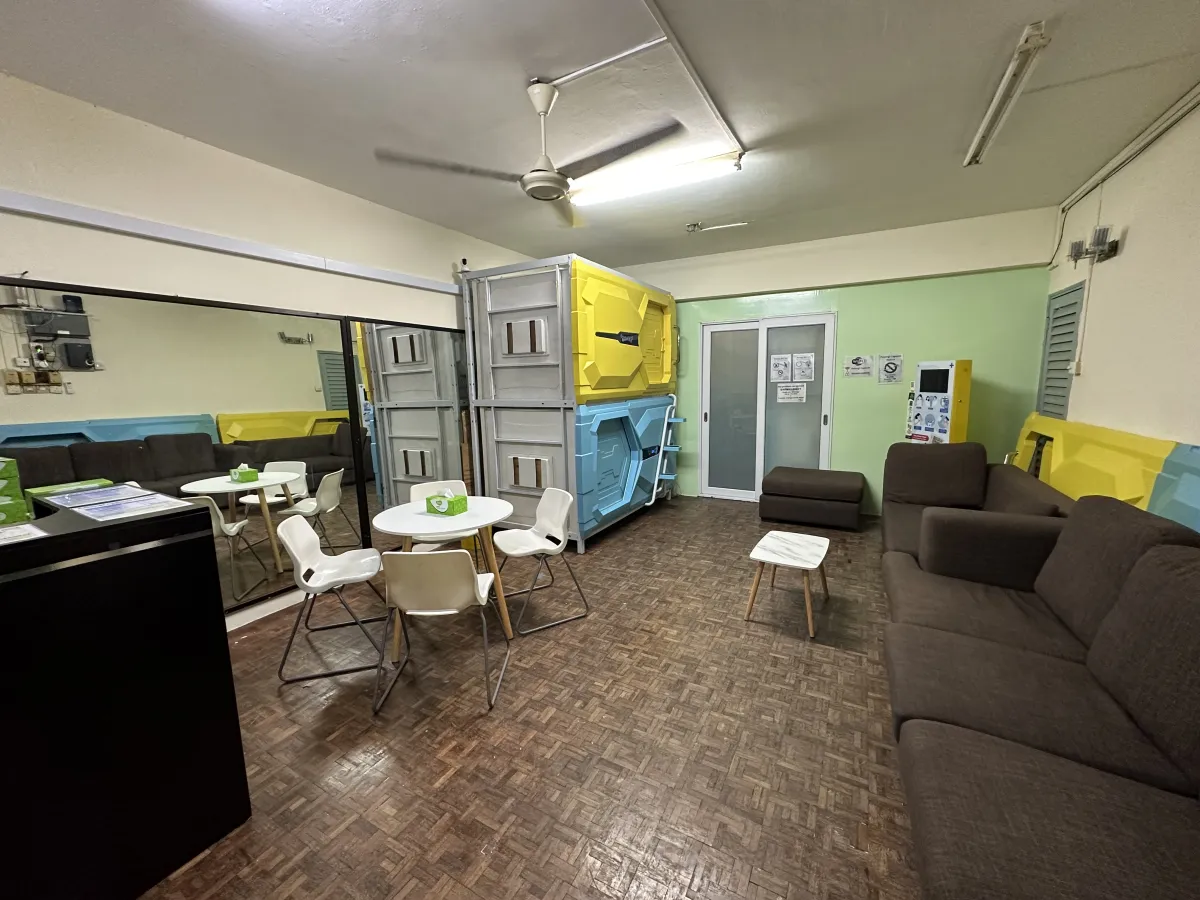
For nomads who prioritise working budget and flexibility over hotel points, capsule accommodation makes sense. Pelangi Capsule Hostel (JB Capsule) in Taman Pelangi offers private locking pod rooms from RM30/night (~US$7), with fast WiFi, USB charging in-pod, air-conditioning, and personal lockers. There is no minimum stay. Monthly rates are available for longer-term nomads.
Taman Pelangi is a central JB neighbourhood with direct Grab access to JB Sentral (Causeway buses), City Square mall, and the main co-working belt. Staying here keeps your daily costs low without sacrificing convenience.
Practical Notes for Digital Nomads Arriving in JB
- SIM card: Pick up a Digi, Maxis, or Celcom prepaid at JB Sentral or City Square. 30GB data for RM30–40/month is standard.
- Banking: Wise and Revolut work well in Malaysia. Local ATMs accept international Visa/Mastercard. Open a Malaysian bank account (Maybank, CIMB) if staying longer-term.
- Co-working: Colony @ JB, Common Ground Paradigm, and several independent cafés in the city centre offer reliable day passes. Many nomads work from laptop-friendly cafés in Taman Pelangi, Bukit Indah, or Medini.
- DE Rantau hubs: MDEC has designated several JB co-working spaces as official DE Rantau hubs — check the MDEC site for the current list.
- Tax: Income earned from foreign employers is generally not subject to Malaysian income tax for non-residents. Consult a tax professional for your specific situation.
Frequently Asked Questions
Do I need the DE Rantau pass to work remotely in JB?
Not for short stays. Malaysia's standard tourist entry (visa-free for most nationalities, 30–90 days) permits leisure stays. However, if you are earning income while in Malaysia, the DE Rantau pass provides a legal framework and longer permitted stay. For extended nomad stays, the pass is strongly recommended.
Is JB safe for solo digital nomads?
Yes. JB has improved substantially in safety perception over the past five years. Stick to central districts (Taman Pelangi, City Square, Bukit Indah, Medini), use Grab for late-night travel, and exercise standard urban awareness. Most nomads and expats report feeling comfortable and welcomed.
How fast is the internet at Pelangi Capsule Hostel?
We run Unifi fibre with speeds consistently above 100 Mbps. The connection handles simultaneous video calls, large uploads, and cloud sync without issue. If you need a dedicated wired connection for critical work, ask at the front desk.
Can I use JB as a base and commute to Singapore for work?
Many residents do exactly this. The Causeway crossing takes 20–60 minutes depending on traffic. Peak hours (7–9am into Singapore, 5–8pm returning to JB) are busier; off-peak crossings are quick. Most Singapore-bound nomads and workers time their crossings to avoid peak flow.
Ready to make JB your nomad base? Book a pod at Pelangi Capsule Hostel — no minimum stay, flexible check-in, and a community of travellers and remote workers passing through every week.
Related Articles
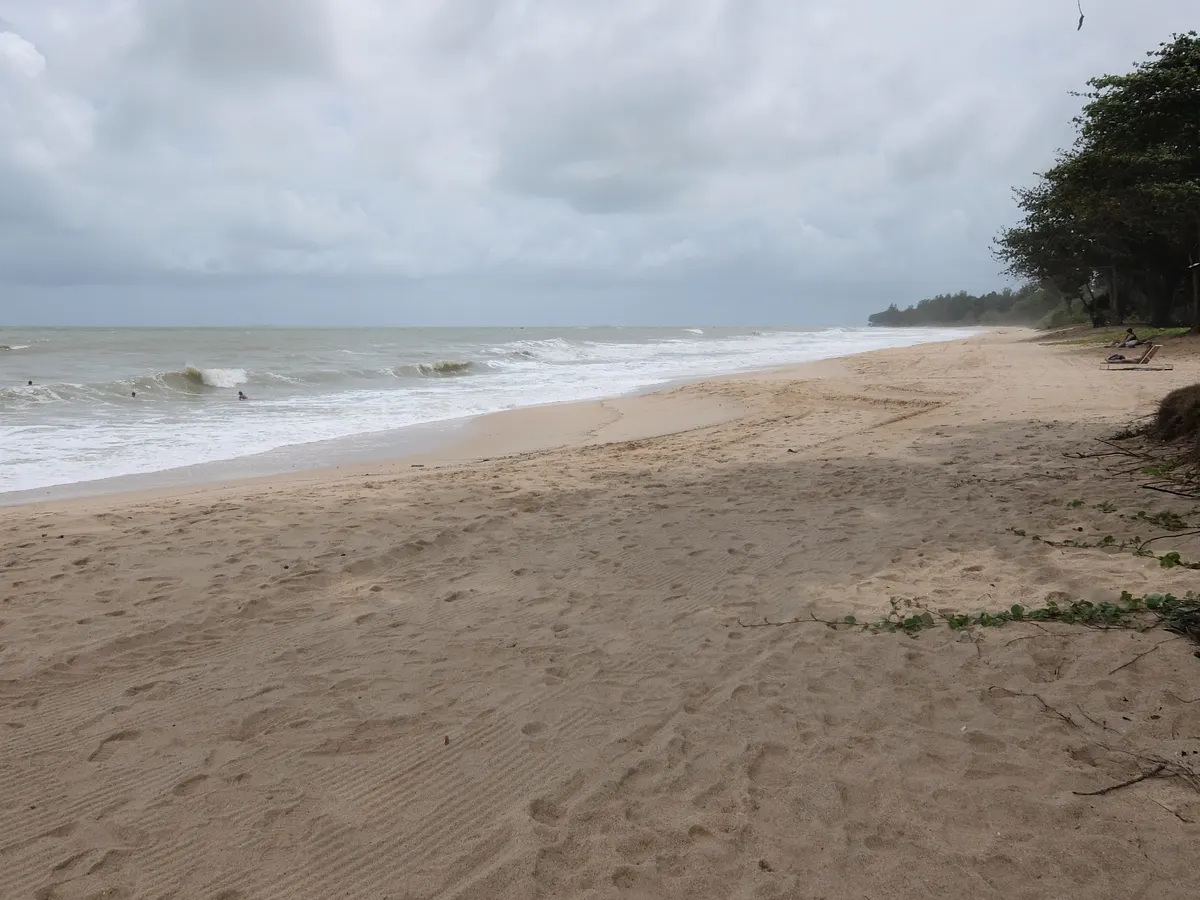
Desaru Beach Day Trip from Johor Bahru: How to Get There and What to Expect
13 Aug 2026 · 5 min read
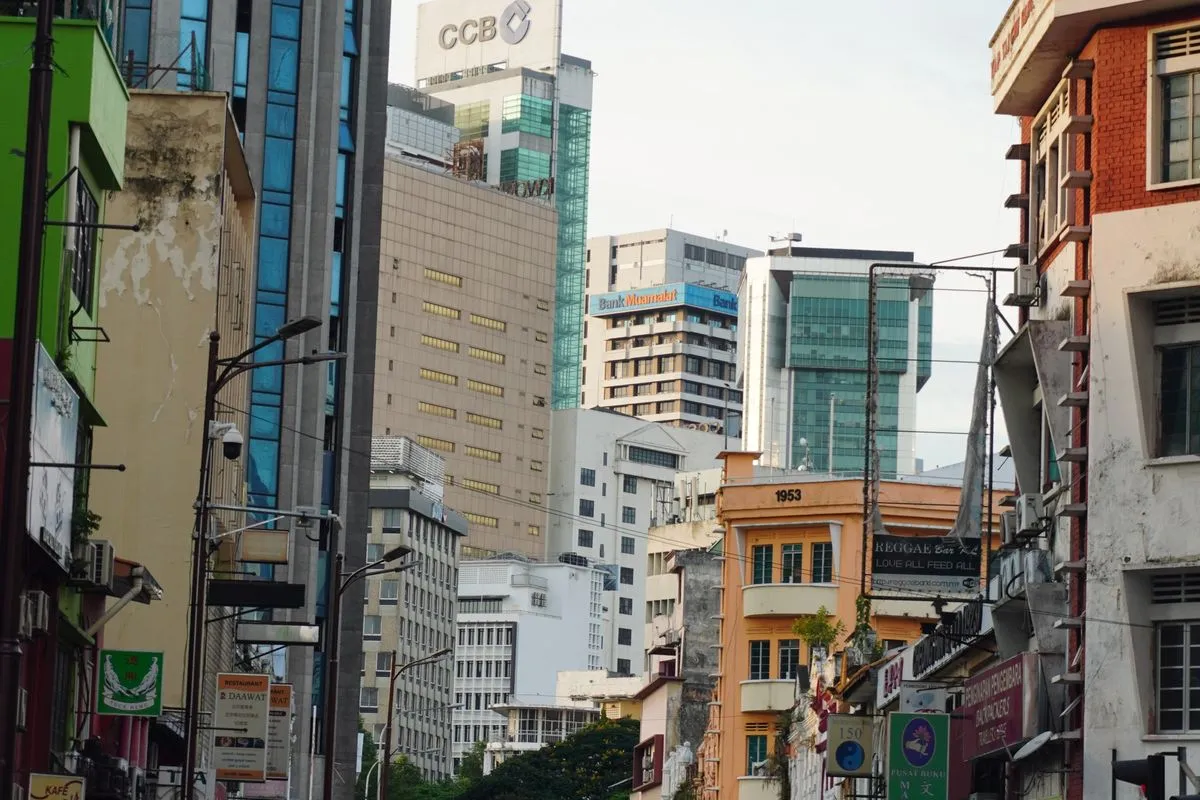
Malaysia Tourism Tax at JB Hostels: What Foreign Guests Pay — and Why Walk-In Cash Visits Can Be Different
19 Aug 2026 · 4 min read
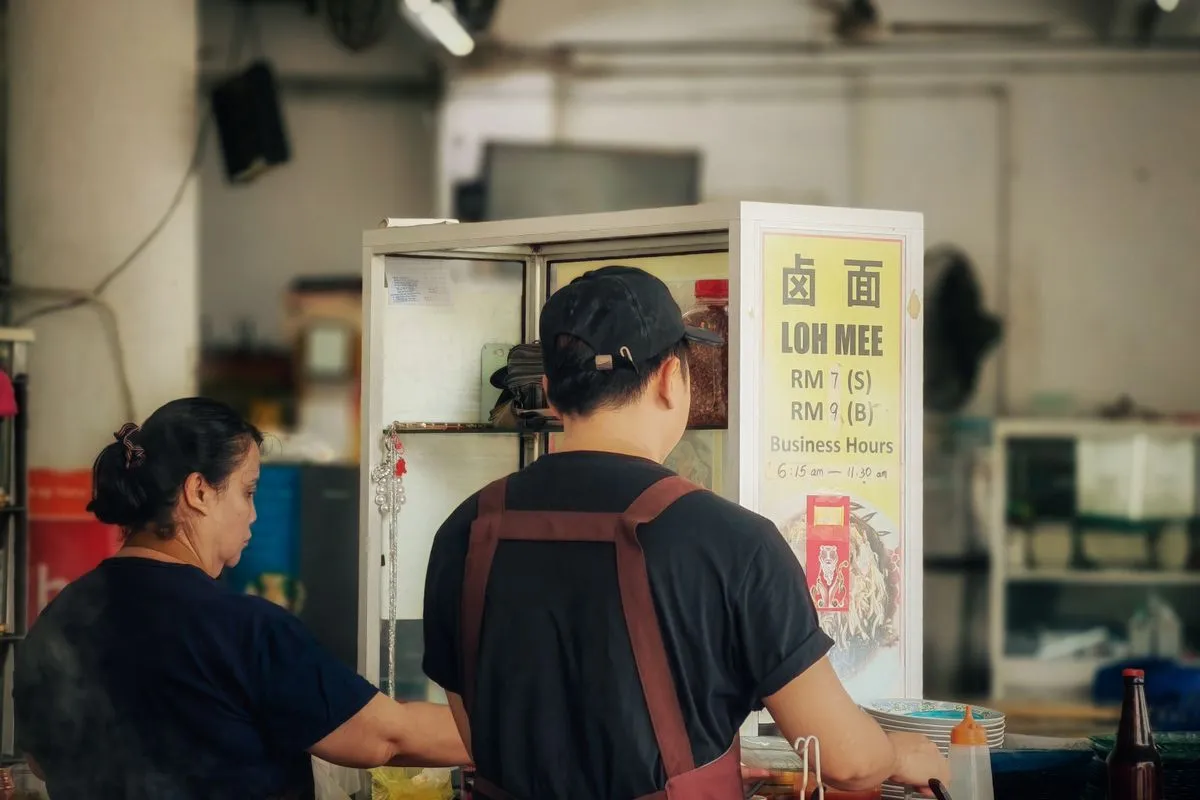
India to Johor Bahru: The Complete Budget Travel Guide for 2026
1 Aug 2026 · 4 min read
Comments
No comments yet. Be the first!