Living in Johor Bahru, Working in Singapore: The Commuter's Guide 2026
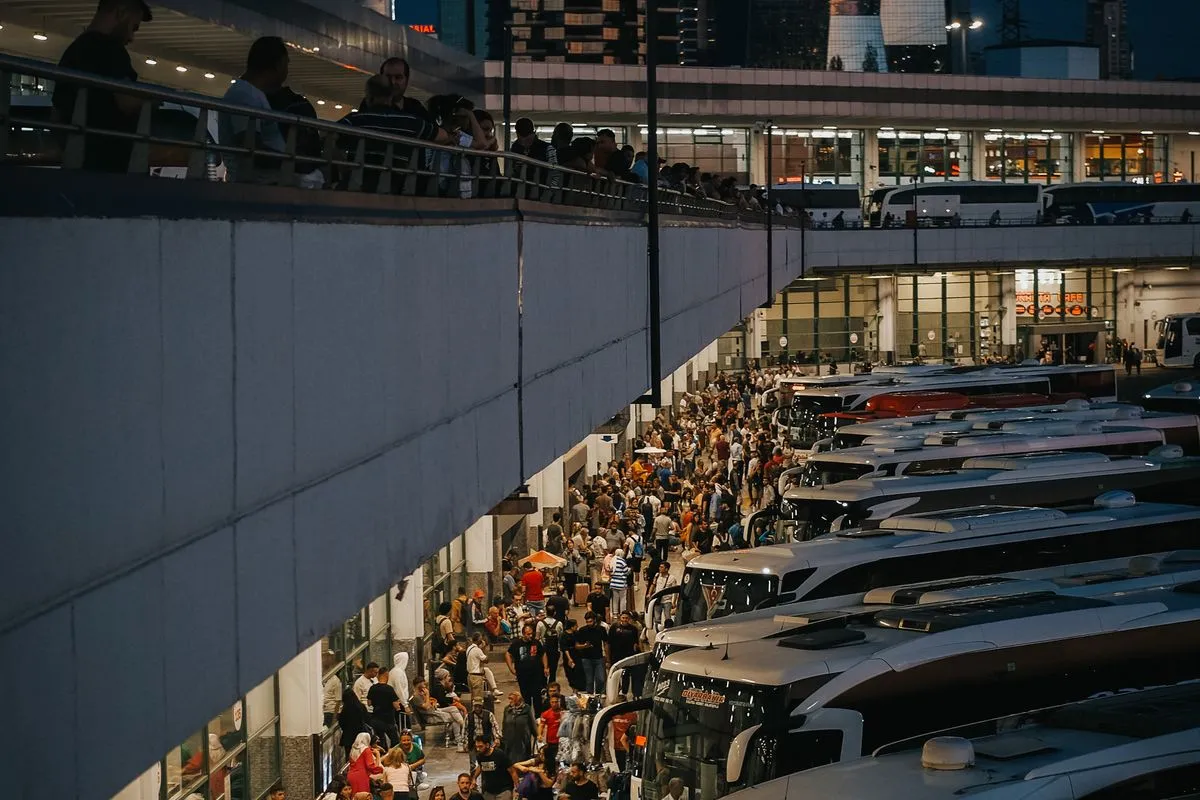
The Commuter Advantage
Thousands of Malaysians cross the Causeway every weekday. The math is simple: Singapore salary (SGD4,000–8,000/month), Johor Bahru living costs (roughly RM2,500–3,500/month for rent, food, and transport). The gap between what you earn and what you spend is larger than almost any arrangement possible in either country alone. For someone on a SGD5,000 Employment Pass, living in JB typically means saving SGD2,000–3,000 every month.
This guide covers bus options, how the CIQ checkpoints work, realistic monthly budgets, and how to avoid the common time-wasters. There's also a section on short-term accommodation while you sort out longer-term housing.

Getting Across: Your Bus Options
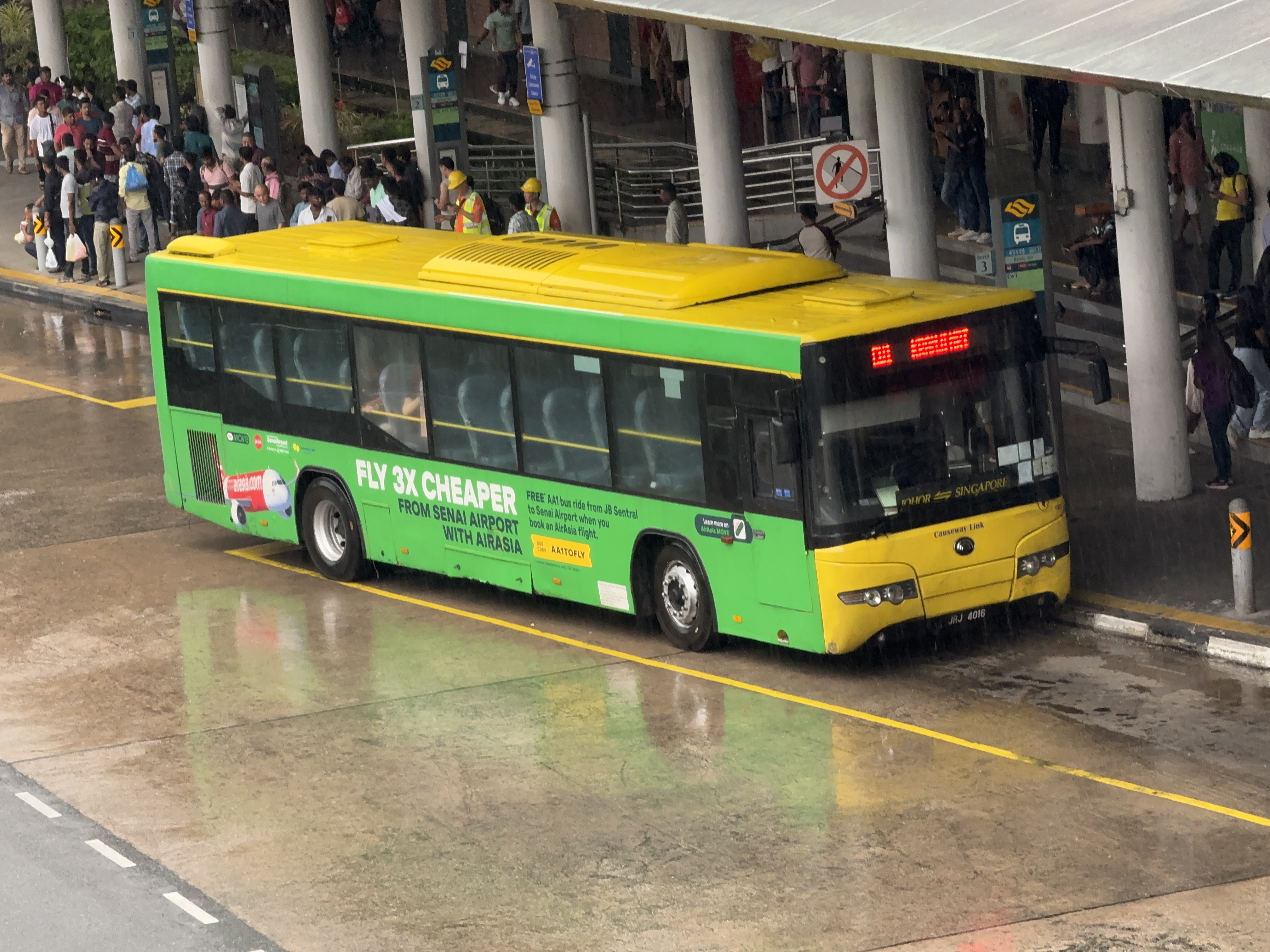
Five daily shuttle services cross the Causeway. Most commuters use two: Causeway Link and SBS Transit. Both operate modern, air-conditioned coaches with WiFi.
| Service | Route | Price (single) | Duration | Frequency |
|---|---|---|---|---|
| Causeway Link (CW) | JB Sentral → Singapore (multiple endpoints) | RM5–6 / SGD2–2.50 | 40–60 min | Every 5–15 min |
| SBS Transit | Larkin Sentral → Singapore | RM3–4 / SGD1.50 | 45–75 min | Every 10–20 min |
| Sunrays Express | JB CIQ → Woodlands | RM5 / SGD2 | 50–70 min | Hourly |
| Premium (Intercity) | JB → Singapore downtown | RM8–12 / SGD4–5 | 35–50 min | Hourly |
| Personal vehicle | Johor Bahru → Singapore (own car) | RM30–50 (toll + petrol) | 30–45 min | Own schedule |
Pro tip: Causeway Link and SBS are cheapest and most frequent. Buy monthly passes for RM60–80 (saves 20% vs daily tickets). Causeway Link passes sold at JB Sentral; SBS through their Larkin Sentral office.
The CIQ Process: What to Expect
CIQ stands for Customs, Immigration, Quarantine. You clear Malaysia's exit checkpoint, then Singapore's entry. On buses, everyone steps off, queues through their respective counters, and re-boards. The whole thing takes 20–40 minutes depending on how busy the checkpoint is.
Keep your passport and work pass accessible — not buried in your bag. Officers rarely stop regular commuters; the questions are standard ("Where do you work?" "How long have you been commuting?"). After a few weeks it becomes muscle memory.
The queue times vary significantly by hour. Before 7:30am and after 6pm are the most congested. If your work schedule has any flexibility, crossing mid-morning (9–11am) or mid-afternoon (2–4pm) can save 30 minutes each way — that's five hours a week compounded.

Monthly Budget: JB Living, Singapore Salary
Here's a realistic monthly breakdown for a single commuter earning SGD5,500/month (typical Employment Pass salary):
| Expense | Amount (SGD) | Amount (RM) | Notes |
|---|---|---|---|
| Rent (shared HDB, JB) | SGD400–600 | RM1,200–1,800 | Budget shared room or low-cost private flat in Taman Pelangi area |
| Transport (bus + local) | SGD80–120 | RM240–360 | Monthly Causeway Link + local JB transport |
| Food (breakfast + lunch + dinner) | SGD250–350 | RM750–1,050 | Mix of hawker (RM5–8) and occasional restaurants |
| Utilities (electric, water, WiFi) | SGD40–60 | RM120–180 | Shared utilities in rented unit |
| Phone + mobile data | SGD15–25 | RM45–75 | Digi or Maxis unlimited plan |
| Sundries (laundry, toiletries, misc) | SGD50–80 | RM150–240 | Varies by lifestyle |
| TOTAL MONTHLY | SGD835–1,235 | RM2,505–3,705 | Leaves SGD4,265–4,665 savings monthly |
At this spending level, a SGD5,500 earner saves SGD50,000–56,000 annually. That funds a down payment, business startup, or career transition. Living in JB while earning Singapore salary is genuinely wealth-building.
Tips for Smooth Commuting
- Build in 15 minutes buffer. Delays happen — not every day, but often enough. Being late once or twice sets a bad tone early.
- Get the Causeway Link app. Real-time bus tracking, seat booking, and monthly pass management on iOS and Android. Saves time standing at the terminal.
- Join commuter Facebook groups. "JB to Singapore Commuters" has thousands of members sharing live traffic updates, carpool arrangements, and tips that don't appear in any guide.
- Keep your passport accessible. A small document pouch worn on your belt or tucked in a front pocket means you're through immigration faster than people digging through bags.
- Use the crossing time well. It's roughly 45 minutes each way. Commuters who read, listen to podcasts, or sleep during the trip find it much more tolerable than those who just stare at their phones.
Where to Stay When You First Arrive
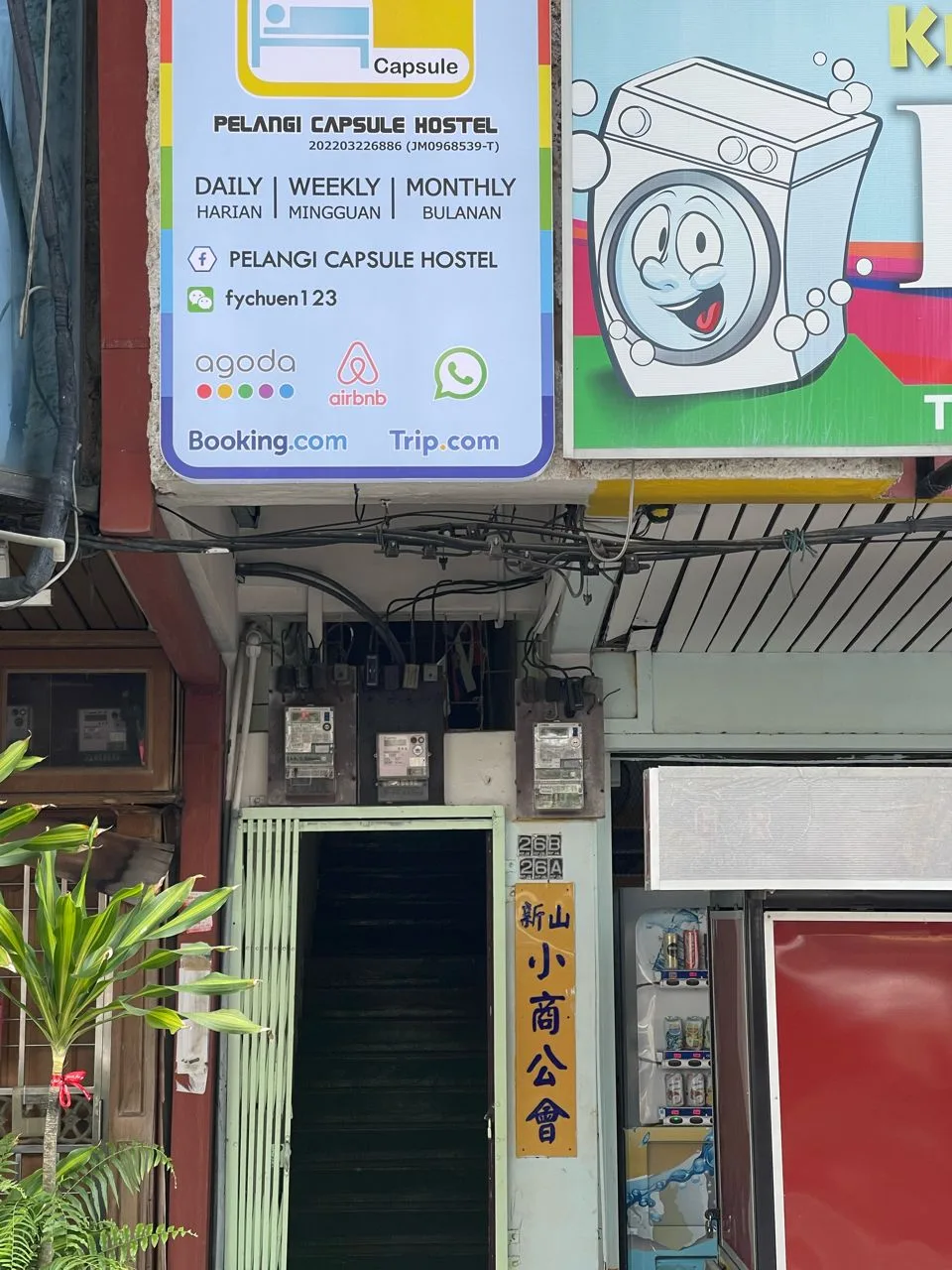
For the first 1–3 months while you find a longer-term place, Pelangi Capsule Hostel in Taman Pelangi works well as a base. Japanese-style capsule pods from RM35–50/night, hot showers, lockers, and fast WiFi. The neighbourhood has hawker centres, banks, and transport options nearby. It's also where a lot of other commuters and new arrivals stay, which is useful if you're navigating this for the first time.
Still on a tourist Social Visit Pass while your EP or S Pass processes? You'll need to reset it before it expires — see our Singapore expat visa run guide for the full process, costs, and queue timing, or the cheapest routes to Thailand, Indonesia and Brunei if you'd rather not use the Singapore crossing repeatedly.
Finding Longer-Term Housing
Once your work pass is sorted, switch to a 12-month lease. Target neighbourhoods near JB Sentral and the Causeway: Taman Pelangi, Danga Bay, and Larkin are all reasonable. One-bedroom private flats in these areas run RM800–1,500/month. Getting to Pelangi from the Causeway takes 10–15 minutes by Grab, so it's a decent indicator of transport connections for any flat you're considering in the same area.
Is It Worth It?
Daily commuting isn't glamorous. The Causeway is a routine, not an adventure. But most commuters settle into the rhythm within two weeks, and the financial upside — SGD50,000+ in savings annually at a mid-level salary — is hard to argue with. Weather delays are rare, roadwork is predictable, and the bus runs reliably. The 1.5-hour daily round trip is the trade. Most people find it's worth it.
Make Pelangi Your Commuter Base
Hundreds of cross-border commuters have used Pelangi Capsule Hostel in Taman Pelangi as their first JB base — capsule pods are RM35/night flat (RM30 for your first night, direct-booking only), or from RM600/month (Upper Deck) / RM650/month (Lower Deck) for long-stayers, with no deposit and no minimum tenancy. Private rooms are also available from RM500/month, right above the 7-Eleven on Jalan Perang. Fast WiFi, lockers, hot showers, 24/7 self check-in for pre-dawn Causeway crossings, and the CIQ checkpoint is 10–15 minutes away.
Book a pod, or compare the numbers first: the honest maths of RM600/month capsule living and the RM500/month private room guide.
Related Articles
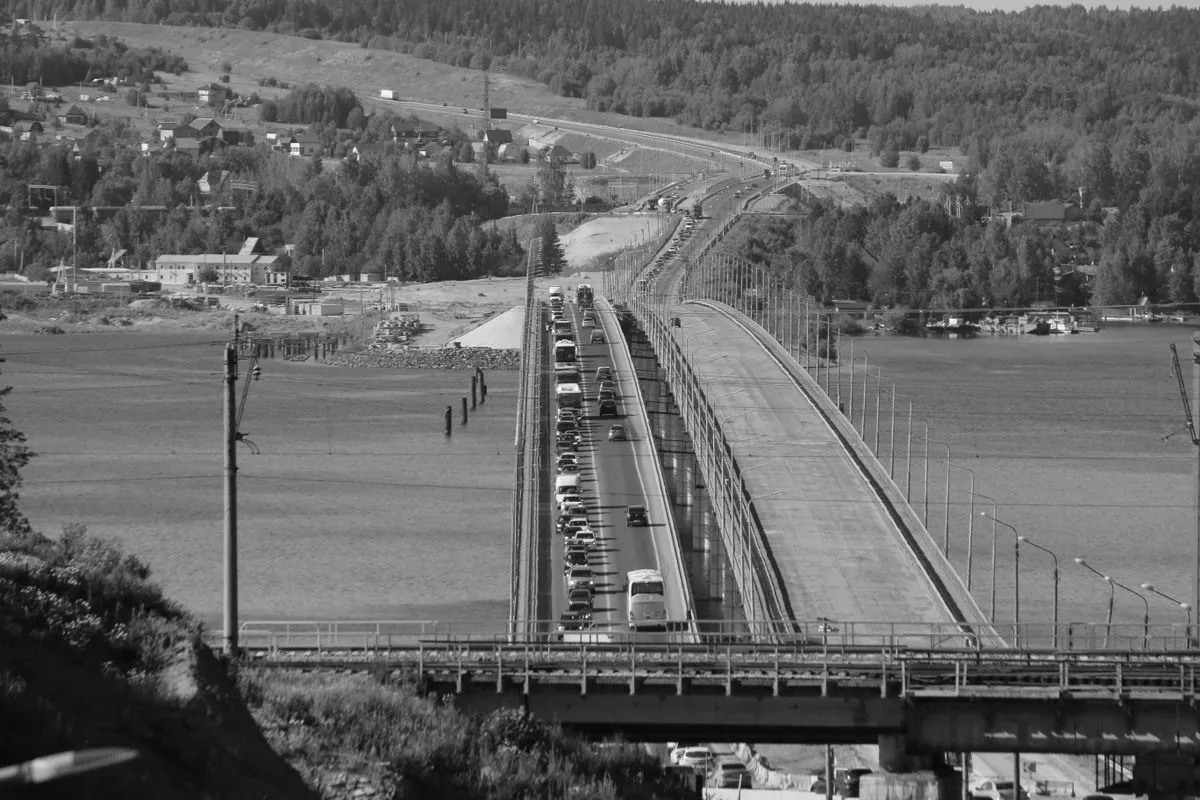
RTS Link Now Expected February 2027: What JB Travellers Need to Know
10 Sep 2026 · 7 min read

Singapore Expat Visa Run to Johor Bahru: 2026 Guide (Costs, Queues & Where to Stay)
7 Aug 2026 · 10 min read
Living in JB on Gig Income: The Full Monthly Budget (RM600 Rent, RM10 Meals, Real Numbers)
1 Aug 2026 · 3 min read
Comments
No comments yet. Be the first!